
Can you drink wine with asparagus? TheChampagneSommelier explains why Champagne and white sparris is the ultimate, snobbish spring pairing.
[ read the full champagne story ]
Estimated reading time: 6 minutes

Let us be brutally honest. In the grand, perpetually unfolding play of the gastronomic theater, there are few actors who take themselves quite as seriously as white sparris and Champagne. They aren’t merely sustenance; they are a meticulously choreographed cabaret of the self-important—a testament to the fact that some people genuinely believe they can dine their way into a higher social stratum. If you thought a simple meal was about satisfying hunger, you’ve clearly missed the point.
This is for the soul, or at the very least, the credit limit.
The White Sparris: The Vegetable That Hates the Sun
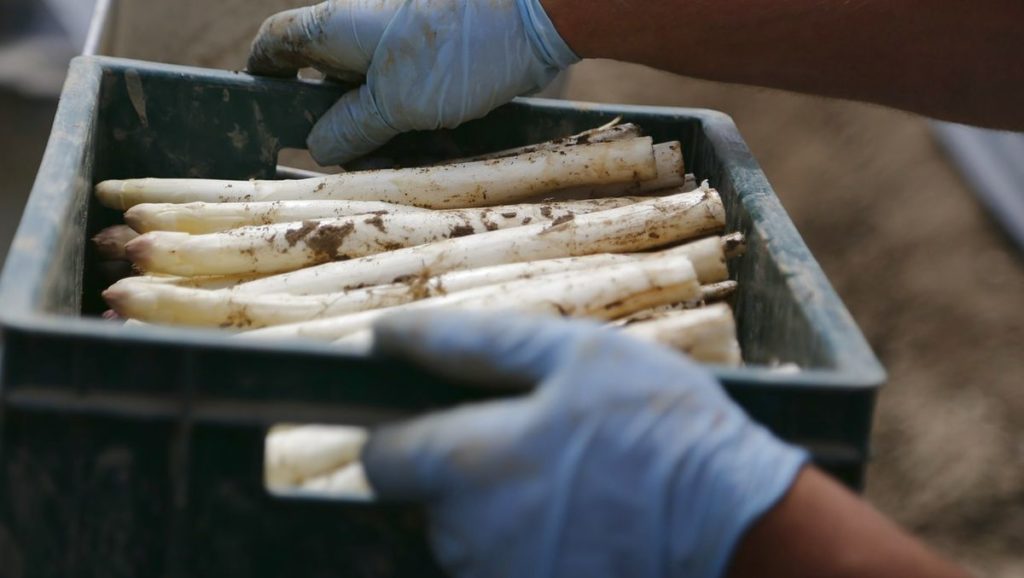
Ah, the white asparagus. Not that common, garden-variety green version that happily flaunts itself in the sunshine and tastes of grass and… well, asparagus. No, the white variety is a pathological introvert. It’s a pale, wan beauty that grows entirely underground, in pitch darkness, as if it were deeply ashamed of its own existence.
The cultivation process is a farce in itself. Grown men and women spend their days mounding earth over these brittle stalks, treating them like buried treasure. Which, given the price at the local saluhall, they essentially are. They are harvested by hand with the sort of trembling precision usually reserved for neurosurgery or defusing a suitcase bomb. All this effort for a vegetable that tastes like very polite, well-manicured dirt with a hint of bitterness—just to remind you that nothing good comes for free, least of all a subterranean stick.
Champagne: Bubbles with a Pedigree (and a Receipt)
And then we have Champagne. The undisputed, heavy-breathing Dowager Empress of everything that fizzes. If it comes from Champagne, it’s a legend. If it comes from your backyard in Småland, it’s “mousserande vin,” you absolute dilettante. This regional snobbery is the very engine of the industry—it’s what justifies the sort of prices that could fund a small space program.
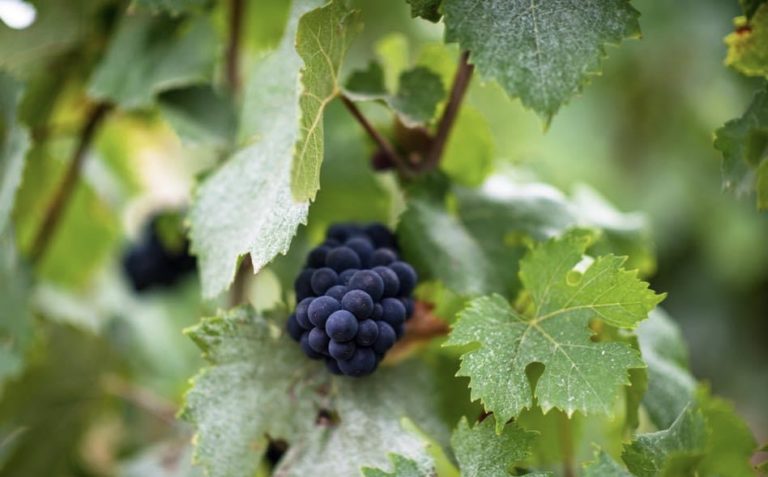
The grapes—Chardonnay, Pinot Noir, Meunier—are mixed, fermented in the bottle (the méthode champenoise, for those who enjoy reciting Wikipedia entries at dinner), and suddenly you have a liquid that tastes of celebration, “terroir,” and a subtle, yeasty hint of old money. The bubbles aren’t just for show; they are the culinary equivalent of a power-washer, scrubbing the palate and preparing the soul for the next expensive sip.
The Great Metallic Myth
Classical Swedish gastronomy, in a rare moment of surrender, used to insist on serving chilled mineral water with asparagus. Why? Because asparagus is chemically aggressive. It contains a collection of bitter compounds and mercaptans that make most wines turn sharp, metallic, and generally miserable.
But let’s be serious: who wants to drink mineral water with their dinner? It’s the liquid equivalent of a celibate monk at an orgy.
Many claim wine and asparagus are “enemies.” They cite oxalic acid or sodium glutamate (the natural MSG found in the stalks). They say the glutamate reacts with the iron in red wine to produce the flavor of a copper penny. But they forget the Great Taste Bridge: Salt. Serve your asparagus with melted butter, a shaving of parmesan, or a slice of premium dry cured ham, and the salt neutralizes the metallic threat.
The real secret? Champagne is the brilliant exception to the rule. Asparagus with a silky Hollandaise, accompanied by a finely tuned cuvée, is like drinking a liquid version of a May morning. Just avoid the vinegar-heavy vinaigrettes unless you’re using aged balsamic, which—like most elderly aristocrats—is mellow enough to get along with everyone.
The Marriage in the Luxury Trap
Why does this pairing work? Is it a cosmic fluke? Hardly. It is a calculated maneuver to maximize perceived prestige.
- The Silence of the Stalk Meets the Elegance of the Vine: The white asparagus, which whispers its flavors rather than shouting them, finds its match in Champagne’s refinement. The wine’s acidity effectively slices through the richness of the butter, while the yeasty, “brioche” undertones complement the vegetable’s polite earthiness without bullying it.
- Texture Play: The asparagus, soft and supple as a well-pampered infant, meets the lively effervescence of the wine. It’s a massage for the tongue. The bubbles scrub away the monumental effort it took to chew a soft stalk, leaving you refreshed for the next bite.
- The Dictatorship of the Season: Both appear for a vanishingly small window in spring. This creates a sense of frantic exclusivity—a “buy it before it’s gone” hysteria that unfailingly parts fools from their money.

A Guide for the Socially Anxious
If you insist on descending into this culinary quicksand, here is how to avoid total embarrassment:
- The “Naked” Stalk (Steamed/Grilled): Pair with a Brut Nature or Extra Brut. These are wines that hide nothing—no dosage, no sugar, just cold, hard mineral reality.
- The Hollandaise Drowning: If you’ve smothered your lunch in a lake of butter and egg yolks, you need a Vintage Champagne or a fylligare (fuller) cuvée. It needs the “shoulders” to stand up to that much fat.
- The Nutty/Buttery Approach: A Blanc de Noirs (white from black grapes) offers a structural weight and a hint of red fruit that can actually trick you into believing you’re eating something complex.
An Existential Crisis with Bubbles
So, next time you consider this “royal” pairing, take a moment to admire how these two components—with their overblown egos and matching price tags—manage to create such a misunderstood harmony. Raise your glass to the wonderful, acidic truth: some things are only expensive because we collectively agree to let them be. Cheers to the pale pretender and the golden fizz.
Richard Juhlin’s Champagne Club Tip: For the ultimate spring epiphany, try a 100% Chardonnay Blanc de Blancs with your white asparagus. The chalky minerality of the soil meets the chalky minerality of the wine. It’s not just dinner; it’s a geological event.