

A great Champagne collection rarely begins with the most expensive bottle in the room. More often, it starts with one moment of clarity – the realization that Champagne is not just for celebration, but for study, memory, and long-term pleasure. If you are wondering how to start champagne collecting, the real question is not what to buy first. It is what kind of collector you want to become.
That distinction matters. Some collectors build vertically, following one producer across multiple vintages. Others chase prestige cuvees, rare disgorgements, or benchmark grower estates. Some collect to drink at peak maturity, while others care as much about provenance and resale as they do about what is in the glass. Champagne rewards all of these approaches, but it punishes vague buying. A cellar assembled without focus often becomes expensive, crowded, and strangely joyless.
How to Start Champagne Collecting With a Point of View
The most successful collections have a point of view from the beginning. That does not mean rigid rules. It means having enough clarity to buy with intent.
A strong first step is to choose your collecting lens. You may be drawn to the great houses because they offer historical continuity, broad library potential, and a level of consistency that makes vintage comparison especially rewarding. Or you may prefer the grower-producer world, where site expression, farming philosophy, and small-scale identity can create thrilling individuality. Neither path is superior. The trade-off is style versus breadth, availability versus singularity, and often liquidity versus personal fascination.
Many new collectors make the mistake of buying only labels they already know. Familiar names have their place, especially when provenance is strong and the wines are built for age. But a serious Champagne collection should develop around taste, not branding alone. A bottle that matters to collectors is not always the one that shouts the loudest on release.
Start by Tasting Before You Start Storing
Champagne is uniquely seductive to collect because the category contains both immediate pleasure and delayed reward. Still, before you commit meaningful money to a cellar, you need your palate to become more precise.
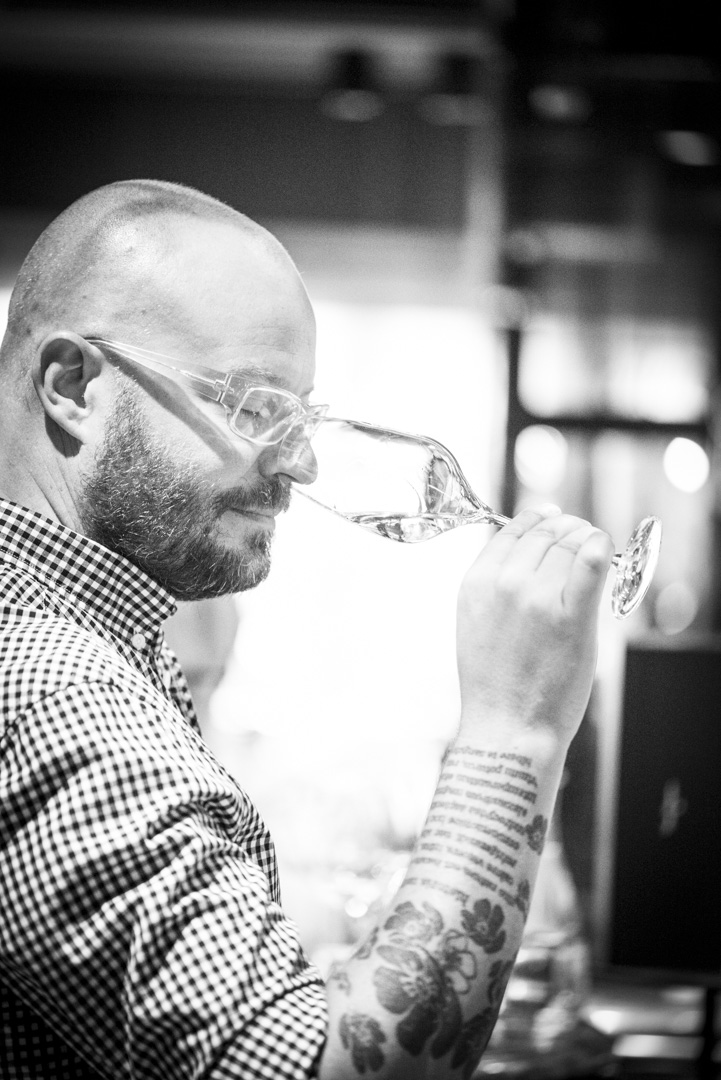
Taste broadly and take notes. Compare blanc de blancs with blanc de noirs. Taste vintage beside non-vintage, and prestige cuvee beside a producer’s core wine. Pay attention to dosage, oak use, village identity, and texture on the palate. Over time, you will begin to notice what you actually want to revisit in five, ten, or fifteen years.
This is where discipline separates collecting from buying. If you purchase every bottle that impresses you at a dinner, your cellar will become a scrapbook. If you track producers, vintages, disgorgement styles, and how wines evolve over several tastings, your cellar begins to take on shape and intelligence.
For many collectors, the best early strategy is to buy in small multiples. Three bottles is often smarter than one. One can be opened young to understand the wine in its youth, one can be held for medium-term development, and one can remain untouched for later maturity. That simple habit teaches more than a shelf of isolated trophies.
What to Buy First
When people ask how to start champagne collecting, they often expect a shopping list. Lists can help, but early collecting is better guided by categories than by random bottle names.
Begin with a mix of reliable foundations and a few more character-driven selections. A well-structured first cellar usually includes vintage Champagne from established houses, because these wines often have the track record and production scale to age with confidence. Add a few top non-vintage or multi-vintage cuvees from serious producers, since these can reveal house style and often develop beautifully over shorter horizons. Then include a small number of grower Champagnes, especially from producers whose wines show clear site identity and balance rather than fashionable extremity.
Prestige cuvees deserve a place, but not too early and not exclusively. They can absorb a large share of budget while narrowing your education. A collector who buys six famous prestige bottles and nothing else may own luxury, but not yet understanding.
Rosé can also be a trap if approached carelessly. Some rosé Champagnes age magnificently, particularly those with real structure and depth. Others are best enjoyed relatively young. The same is true for sweeter styles and certain late-release bottlings. Category matters, but producer intent matters more.
Storage Is Not a Detail
Champagne collecting becomes serious the moment storage enters the picture. A great bottle stored poorly is simply an expensive loss.
Ideal conditions are stable, cool, dark, and vibration-free. Temperature swings are more damaging than many collectors realize. So is dry air over long periods if cork integrity is compromised. Light, especially persistent bright light, is another quiet enemy of freshness and complexity.
If you have a professional-grade home cellar, excellent. If not, bonded or specialist wine storage is often the wiser choice, especially once the collection includes bottles with significant long-term value. Provenance is not only about where the wine began. It is also about where it has been since release. Future drinking pleasure and future market value both depend on that chain remaining clean.
Keep records from the start. Track purchase date, source, release information, disgorgement details when available, storage location, and ideal drinking window as you understand it. The more serious the collection becomes, the more this documentation matters.
Buy Provenance, Not Just Wine
In Champagne, provenance is part of the wine. This is particularly true for older vintages, rare releases, and sought-after producer bottlings that may have changed hands several times.
A pristine label is nice. A trustworthy source is essential. Original case quantities, professional storage history, and confidence in the seller all matter more than a dramatic story about rarity. Poorly stored Champagne can lose tension, precision, and aromatic lift long before any obvious fault appears.
This is one reason the secondary market requires caution. There are opportunities, especially for back vintages no longer available at release pricing, but there is also avoidable risk. For a new collector, buying younger wines from strong sources is usually the more intelligent start.
Build Around Producers, Not Hype Cycles
The Champagne market has its fashions. Certain growers become collector darlings. A particular disgorgement gets amplified. Prices move quickly, then sentiment shifts. If your collection follows hype too closely, you may end up paying peak pricing for bottles you do not even love.
A better approach is to identify producers whose work you trust across time. Learn their vineyard base, cellar philosophy, style signatures, and vintage performance. Follow how their wines behave at three years, eight years, and fifteen years if you can. That is the foundation of connoisseurship.
For some collectors, the old grandes marques will provide that confidence. For others, it will be a smaller set of elite growers and recoltant-manipulants. Often, the best cellar includes both. Breadth gives perspective. Depth gives meaning.
If you want your collecting to mature quickly, focus on fewer producers and more repetitions. Buying across one celebrated release season may feel exciting, but buying across one producer’s story is how expertise is formed.
Budget Like a Collector
Luxury has a way of making vague budgets look harmless. Champagne collecting is easier to enjoy when your framework is explicit.
Decide what proportion of your annual wine spending is for drinking now, for medium-term aging, and for long-term collecting. Without this split, many buyers over-index on cellar-worthy bottles and then find themselves opening wines too early because there is nothing else on hand.
It also helps to define tiers. You might have an everyday study tier, a serious cellar tier, and an aspirational tier reserved for iconic bottles or top vintages. This keeps the collection dynamic. It also prevents the common mistake of tying all value to a handful of expensive wines while neglecting the bottles that teach you the most.
There is no shame in starting modestly. In fact, it is often the smarter route. A collector with forty well-chosen bottles and clear intent is in a stronger position than someone with two hundred random purchases and no roadmap.
How to Start Champagne Collecting for Aging and Drinking
The final piece is patience, tempered by curiosity. Champagne is one of the world’s most compelling age-worthy wines, but not every bottle improves simply because time passes. Some wines broaden beautifully, gaining toast, truffle, smoke, and saline depth. Others lose the cut and vitality that made them special in youth.
That is why collecting should always remain connected to opening bottles. Taste your cellar along the way. Reassess. Change your buying pattern when a style no longer excites you or when a producer begins moving in a different direction. A living collection should evolve with your palate.
This is also where serious education pays off. The more tasting history, producer context, and vintage intelligence you have, the less likely you are to buy blindly. For collectors who want to move from enthusiasm to discernment, access to deep tasting archives and expert commentary can compress years of trial and error into a much shorter learning curve.
The best Champagne collections are not built to impress from across the room. They are built to reward attention, bottle by bottle, year after year. Start with curiosity, buy with precision, and leave room for your own taste to sharpen. The cellar will follow.