
Dissecting the Complexity of the Holiday Table Through the Prism of Effervescence, for Champagneclub.com. [ read the full champagne story ]
Estimated reading time: 5 minutes

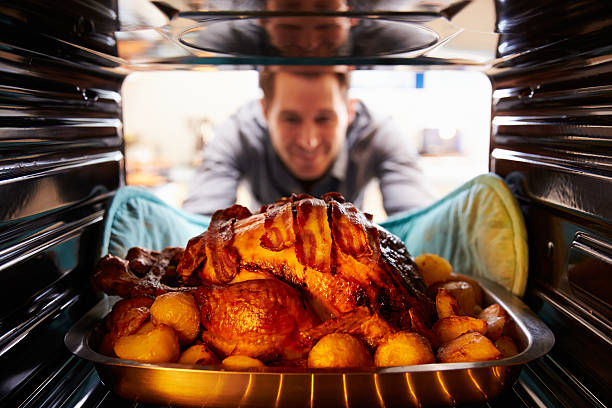
The annual challenge of the festive dinner—whether Thanksgiving or Christmas—lies not with the turkey, but with the cacophony of side dishes that accompany it: the sweet-yet-tart cranberry sauce, the savory, herby stuffing, the rich, fatty gravy, and the glazed root vegetables. No single still wine can flawlessly manage this complexity.
For the Champagne purist, however, the answer is singular and elegant: Champagne is the ultimate, necessary, and versatile partner for the entire feast.
Champagne’s high acidity, low pH, and persistent effervescence make it the ultimate palate cleanser, cutting through the fat and richness while its diverse styles (from Blanc de Blancs to Rosé de Saignée) provide the necessary structural range to handle the entire menu.
Here is the definitive guide to pairing the core elements of the holiday plate using only the world’s most noble sparkling wine.
I. Champagne Fundamentals: Addressing the Turkey Challenge
The key to pairing Champagne with turkey and its trimmings is matching the wine’s power and maturity to the dish’s richness and flavor intensity.
| Key Element | Culinary Challenge | Champagne Solution (Structure) |
| Turkey Meat (Subtle) | Lack of fat; easily overpowered. | Needs a vinous, medium-bodied style (Pinot Noir or aged Chardonnay). |
| Gravy & Stuffing (Fat/Umami) | Demands a cleansing element to cut through richness. | Requires high acidity and a broad texture (Reserve Wines). |
| Cranberry Sauce (Sweet/Tart) | Clashes with dry, youthful Champagne. | Needs a style with red fruit structure and sufficient dosage (Demi-Sec or structured Rosé). |
| Root Vegetables (Sweetness) | Exaggerates the acidity of Extra Brut wines. | Benefits from maturity and tertiary notes (ginger, spice, toast). |
II. The Pairing Strategy: Three Stages of the Feast
The ideal festive meal should be structured around three distinct Champagne styles, each building upon the last in terms of power and complexity.
Stage 1: The Cleansing Aperitif & First Course
The goal is to stimulate the palate and cleanse it for the richness to come.
- The Wine Style: Blanc de Blancs (Extra Brut / Zero Dosage)
- The Rationale: This 100% Chardonnay style, particularly when bone-dry, offers laser-like acidity and maximum tension. Its notes of lemon, green apple, and chalk cut cleanly through salty appetizers (like smoked salmon, oysters, or lightly salted nuts), preparing the mouth without adding weight.
- The Cuvée Recommendation: Pierre Moncuit “Cuvée Nicole” Extra Brut or Larmandier-Bernier ‘Terre de Vertus’ Brut Nature.
Stage 2: The Main Course & The Entourage
This is the most critical match. The wine must manage the savory roast meat, the fatty stuffing, and the earthy gravy.
- The Wine Style: Pinot Noir-Dominant / Reserve Wine-Heavy Brut
- The Rationale: This style provides the necessary structure (Pinot Noir) to match the meat and the broad, textured complexity (Reserve Wines) to harmonize with the savory, nutty stuffing. The tertiary notes of brioche and honey integrate seamlessly with the roasted flavors and umami.
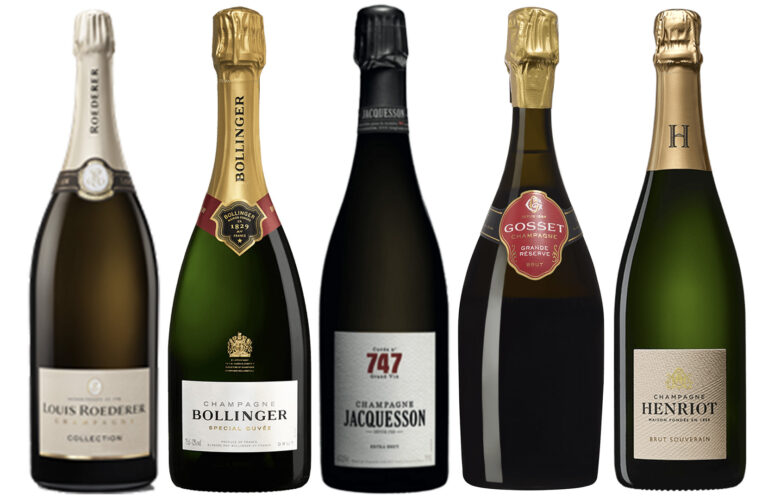
- The Cuvée Recommendation: Bollinger Special Cuvée (or a Bollinger La Grande Année from a powerful vintage like 2012) or Charles Heidsieck Brut Réserve (renowned for its high proportion of older reserve wines). The sheer vinous texture stands up to the demands of the main course.
Stage 3: The Cranberry Bridge & The Dessert
The biggest trap of the festive meal is the cranberry sauce and, later, the dessert.
- The Wine Style: Rosé de Saignée (Brut or Extra Brut) transitioning to Demi-Sec
- The Rationale (Rosé): The Rosé de Saignée (made by short skin contact, giving it deep color and tannins) is the perfect bridge. Its bold red fruit profile (saignée often delivers notes of cherry and wild strawberry) mirrors the cranberry sauce, creating a harmonious link between the glass and the plate.
- The Rationale (Dessert): To tackle a sweet Christmas pudding or Buche de Noël, a Demi-Sec is mandatory. Its richness 32–50g/L sugar ensures it is sweeter than the dessert, allowing the wine’s flavour to persist rather than taste sour.
- The Cuvée Recommendation: Billecart-Salmon Brut Sous Bois (for textural richness) or a structured Rosé de Saignée from a Pinot Noir house like Marc Hébrart. For dessert, seek a dedicated Demi-Secbottling.
III. The Ultimate Festive Flex: The Power of Maturity
For the host looking to truly impress, seek out an Aged Vintage Champagne—a bottle with 10 to 15 years post-disgorgement.
- The Advantage: Mature Champagnes (e.g., 2002, 2008, or 2012 vintages that have been resting) lose their sharp primary acidity and develop profound tertiary notes—mushroom, tobacco, leather, and smoke. These complex savory tones are Umami allies, acting as liquid seasoning for the entire plate, particularly with earthy truffles or stuffing.
- The Cuvée Recommendation: Louis Roederer Cristal (from a ready-to-drink vintage like 2009 or 2013) or Dom Pérignon (ideally P2). These wines possess the density to match the richness of the feast.
Conclusion: The Champagne Club Mandate
The notion that Champagne is only for the aperitif is a grave disservice to its complex, gastronomic power. The holiday table, with its rich tapestry of flavors, is the perfect stage for the entire Champagne repertoire.
By strategically deploying Blanc de Blancs for purity, Pinot Noir-dominant Brut for structure, and Rosé de Saignée for balance, you ensure that the entire festive marathon is characterized by elegance, cleansing acidity, and, ultimately, perfect harmony. You are not just pouring wine; you are orchestrating the feast.