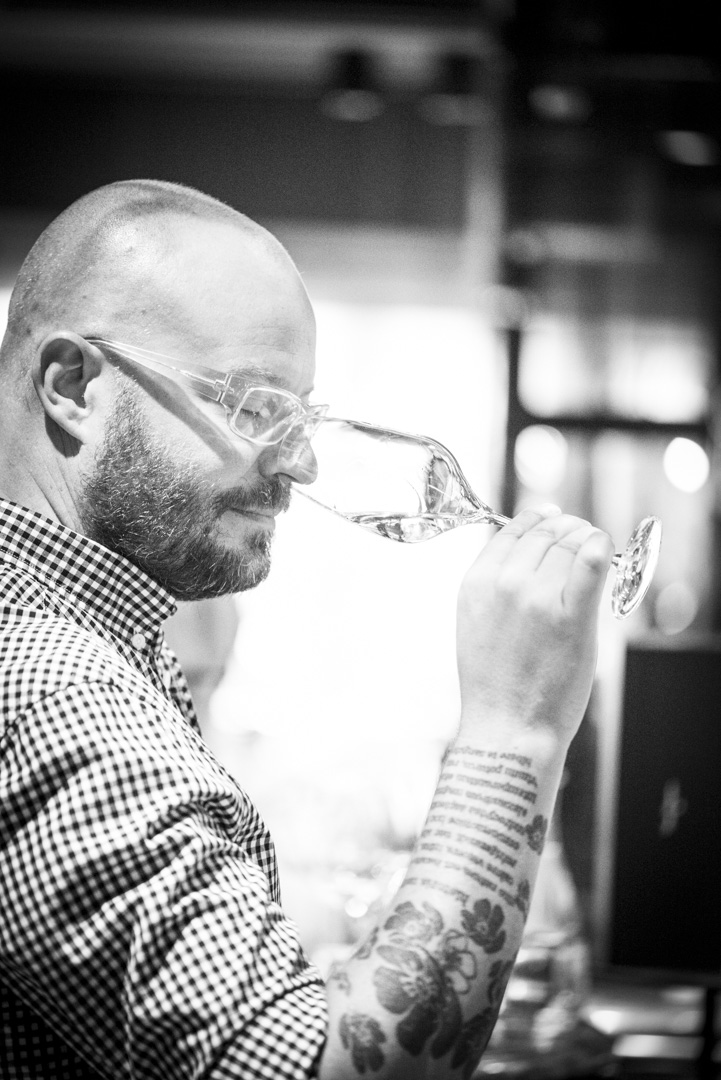
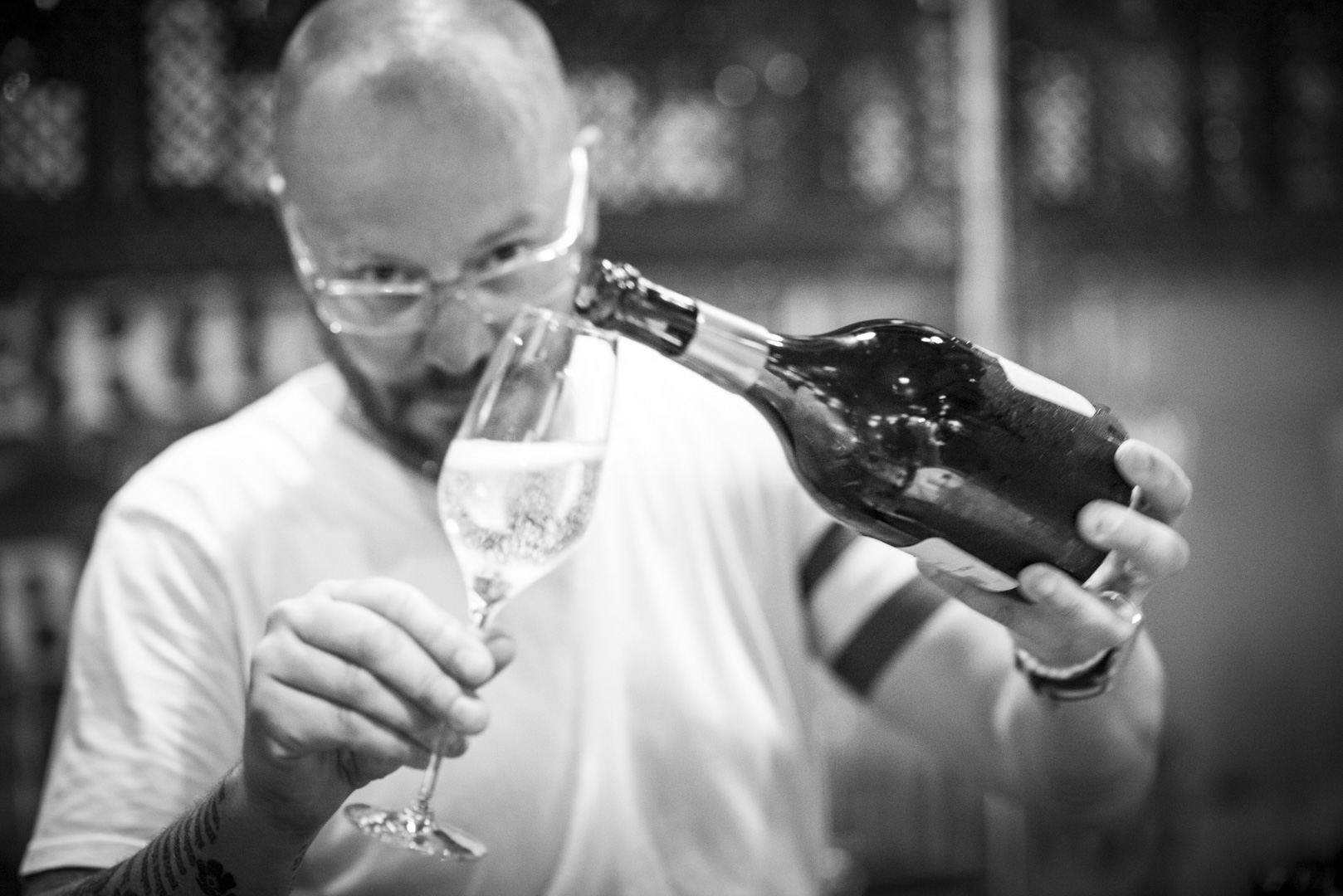
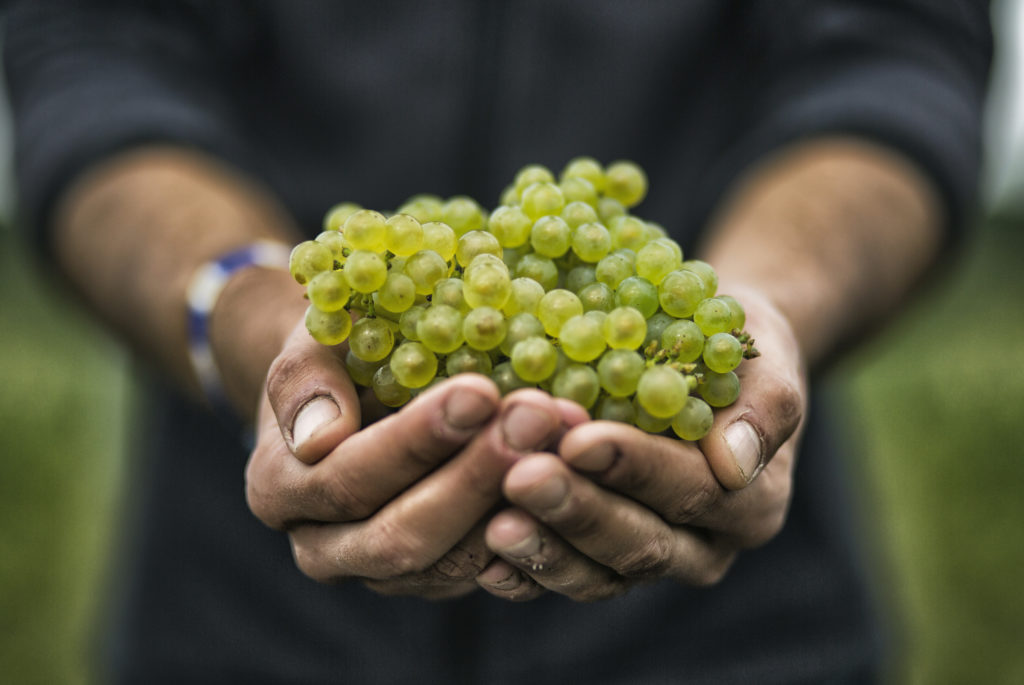
TheChampagneSommelier reflects on the grape and its roll in wine making. [ read the full champagne story ]
Estimated reading time: 5 minutes

A Brutally Simple Anatomy of the Grape
Before one can pontificate on the nuances of terroir and the heartbreak of a poorly aged Burgundy, one must, with a heavy sigh, address the basics. What, precisely, is this fruit that has launched a billion-dollar industry and an even larger tidal wave of bad opinions? The question itself feels childish, like asking a physicist to explain gravity with hand puppets. But it appears we must start here, in the shallowest end of the pool. Let us dissect the thing, if we must. Do try to keep up.
At its heart, the grape is a shockingly simple vessel. It is a berry, a bauble of potential, a suicidal vessel of sugar hanging on a vine, waiting for a yeast spore to come along and help it achieve its glorious, alcoholic destiny. It is nature’s most elegant slow-motion car crash. While a botanist will bore you with talk of inflorescence and phenolic compounds, you, the aspiring gastronome, need only concern yourself with its four constituent parts: the soul, the overcoat, the bitter relatives, and the question of class.
The Dissection
First, the pulp. This is the grape’s tedious, sugary soul. It is almost entirely water, sugar, and acid. The water is… well, it’s water. The sugar is the raw, idiotic potential, the fuel for the eventual fire of fermentation. The acid is the only thing that makes it interesting. Acid is the wine’s backbone, its central nervous system, its sliver of intelligence in an otherwise bland, sugary morass. Without it, a wine is just a flabby, shapeless puddle of regret.
Then you have the skin. This is the overcoat of character. For white grapes, it contributes a bit of flavour and aromatic compounds. For red grapes, it is everything. The skin is the house of colour and, more importantly, of tannin. Tannin is the architectural firm of the grape. It is a phenolic compound that provides structure, texture, and a sense of bitterness or astringency—that drying sensation on your gums, as if your tongue has been professionally upholstered. Without tannin, a red wine would be nothing but grape juice with a drinking problem. It is the very thing that allows a great red wine to age, to evolve from a brutish youth into a complex and fascinating old age.
Finally, there are the pips and stems. These are the bitter, uncouth relatives you try not to invite to the party. They are packed with yet more, often harsh and unpleasant, tannins and bitter oils. The entire art of gentle winemaking is an elaborate dance to extract the fine, noble tannins from the skin while leaving the vulgar, green tannins from the pips and stems behind.
A Question of Ancestry
Now, a crucial point of class distinction. Not all grapes are created equal. In fact, most are commoners. The entire world of fine wine—every bottle of Bordeaux, Burgundy, Barolo, and beyond—is made from a single, aristocratic species: Vitis vinifera. This is the European thoroughbred, the only family that matters.
All other species, particularly the American ones like Vitis labrusca, are the country cousins, the unfortunate relatives who turn up to a black-tie dinner in overalls. Grapes like Concord and Niagara produce wines with a famously off-putting aroma known in the trade as ‘foxy’—a cloying, musky scent of cheap grape jelly. This is not a matter of taste; it is a matter of breeding. To confuse the two is to have no sense of smell at all.
The Colour Problem
“Red grapes make red wine, white grapes make white wine.” A simple, comforting, and fundamentally incomplete truth. Yes, the colour of a red wine comes from fermenting the juice in contact with the red skins. But the juice inside almost every red grape on earth—from the palest Pinot Noir to the darkest Cabernet—is clear. It is white.
This simple fact is a profound revelation for the novice, but a basic, foundational principle for the expert. It is the secret that allows for the existence of rosé, where the juice has a fleeting, flirtatious encounter with the skins.
And, most importantly, it is the secret behind the greatest of all wines. We in Champagne have, of course, known this for centuries. It is our founding principle. We take dark, brooding Pinot Noir and Pinot Meunier, press them with the delicate touch of a safecracker, and whisk the clear juice away from its vulgar, colourful skin to create golden starlight. We make a white wine from black grapes. A Blanc de Noirs. It is not magic. It is simply a matter of understanding the insides of things.
You have now been briefed on the absolute basics. Do not feel proud. This is merely the ground floor. The ascent is long and steep.