A Dissection of the Liqueur d’Expédition and the Art of Balance for Champagneclub.com. [ read the full champagne story ]
Estimated reading time: 5 minutes

In the complex architecture of Champagne, there is no single decision more pivotal, more controversial, and yet often more misunderstood than the final application of the liqueur d’expédition—the dosage.
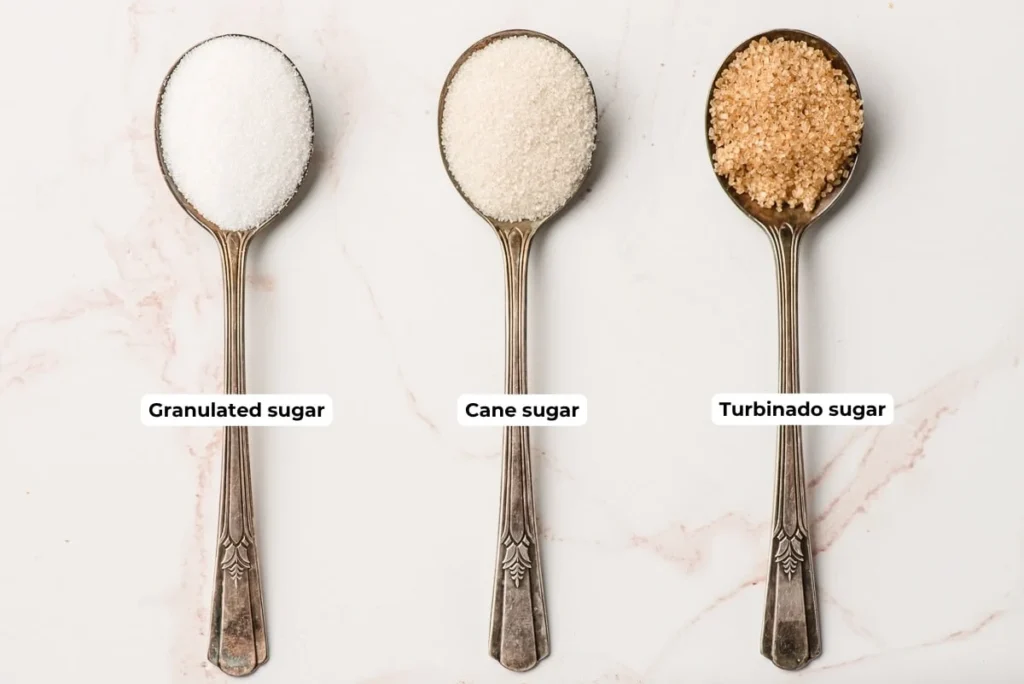
This final addition of cane sugar dissolved in old wine or reserve wines—typically amounting to anywhere from zero to fifty grams per liter—is the Chef de Cave’s last, irreversible stroke of the pen. It determines the balance, the perceived weight, and the immediate accessibility of the wine.
As the opulent, rich dishes of the holiday season arrive—from savory stuffing and rich game to decadent desserts—the question for the sophisticated drinker shifts from merely which Champagne to how sweet that Champagne should be. Is the sugar a necessary balancing act, or a mask concealing a flaw? The holiday table, with its diverse demands, forces us to confront this dichotomy.
I. The Dosage Spectrum Defined
To navigate the holiday list, we must first understand the battlefield, measured in grams of residual sugar per liter (g/L):
| Classification | Sugar Level (g/L) | Sensory Profile | Primary Use |
| Brut Nature / Zero Dosage | < 3g/L | Bone-dry, high tension, powerful minerality. | Aperitif, Purity, Terroir expression. |
| Extra Brut | 0-6 g/L | Very dry, sharp acidity, excellent cleansing power. | Aperitif, Seafood, Oysters. |
| Brut | 6-12g/L | The standard—balanced, versatile, the most common style. | Gastronomy, Main courses, All-purpose. |
| Sec | 17-32g/L | Noticeably sweet, soft on the palate. | Dessert, Fruit salads, Wedding cake. |
| Demi-Sec | 32-50g/L | Richly sweet, dessert wine weight. | Sweet desserts, Foie Gras (non-traditional). |
II. The Philosophical Debate: Cheat or Necessity?
The Purist’s Charge (Cheat)
The argument against dosage is rooted in the pursuit of unadulterated truth. Purists and champions of terroirargue that any sugar addition (beyond Zero Dosage) “pollutes” the purity of the grape and masks any imperfections resulting from a less-than-perfect harvest. For some zealous Growers, Brut Nature is the only honest form of Champagne, demanding perfect ripeness and flawless vinification.
The Pragmatist’s Defense (Necessity)
The defense of dosage, however, is irrefutable: balance. Champagne is, by nature, high in malic and tartaric acid due to the cool climate. Particularly in cooler vintages (like 2008), the high acidity can be aggressive and palate-fatiguing. The judicious addition of dosage provides the necessary buffer, rounding out the angularity and converting the austere into the sublime. It is an essential tool for achieving symmetry and pleasure.
III. Dosage Strategy for the Holiday Season
The diverse culinary demands of December mean that relying solely on your preferred Brut may lead to unfortunate mismatches. Mastery lies in matching the dosage to the occasion.
1. The Cleansing Aperitif: Brut Nature or Extra Brut
- The Scenario: Guests arrive, palates are fresh, and the goal is to prepare the mouth for the feast ahead.
- The Choice: Brut Nature / Extra Brut ($\lt 6 \text{ g/L}$).
- The Rationale: These bone-dry styles offer maximum acidity and cleansing power. They cut through the initial canapés (smoked salmon, gougeres) and stimulate the appetite without leaving any cloying residue. This sets an elegant, serious tone for the evening.
2. The Grand Savory Dinner: Classic Brut
- The Scenario: The main course—Roast Turkey, Ham, Goose, or rich pâtés with heavy sauces. The wine must be versatile.
- The Choice: Brut ($9 \text{ – } 12 \text{ g/L}$).
- The Rationale: This is the most versatile category for a reason. The modest amount of sugar balances the wine’s inherent acidity, allowing the Champagne to handle the salt, fat, and umami of the savory main dishes. The slight sweetness harmonizes with the complexity of brown butter and roasted herbs better than a sharp Zero Dosage.
3. The Decadent Dessert: Sec or Demi-Sec
- The Scenario: Christmas pudding, Buche de Noël, fruit tart, or anything involving chocolate or icing.
- The Choice: Demi-Sec ($32 \text{ – } 50 \text{ g/L}$).
- The Rationale: This is the most crucial rule of pairing: the wine must be sweeter than the dessert.Failure to follow this results in the Champagne tasting shockingly sour and metallic. The rich, soft sweetness of a Demi-Sec (often Pinot Noir or Meunier dominant) wraps around the dessert, providing a harmonious, luscious finish to the meal.
4. The Vintage Masterpiece: Aged Brut/Extra Brut
- The Scenario: Opening a 15-to-20-year-old vintage (e.g., 2002 or 2008).
- The Choice: A wine that received a low dosage (Extra Brut) upon disgorgement, or one that has matured beyond its primary acidity.
- The Rationale: As Champagne ages, the acidity integrates, and the perception of sweetness often increases naturally. The small original dosage merely helps the wine structure. Choose a vintage that carries its low dosage well, allowing the tertiary aromas of toast, honey, and spice to dominate—these notes are perfect partners for holiday baking and nuts.
IV. Conclusion: Dosage as Context
Dosage is not a moral failing; it is a tool of context. The great Chefs de Cave use it with surgical precision to ensure the wine provides maximum pleasure at the intended moment.
During the extravagant demands of the holiday season, the sophisticated host must dispense with the rigid notion that only ‘Zero Dosage’ is pure. Instead, embrace the entire spectrum: use the Extra Brut for the sharp opening, the Brut for the convivial main course, and the Demi-Sec to crown the sweet, triumphant finish of the year.
The success of your December celebration rests not on the elimination of sugar, but on its elegant, necessary, and strategic deployment. It is, definitively, a necessity.