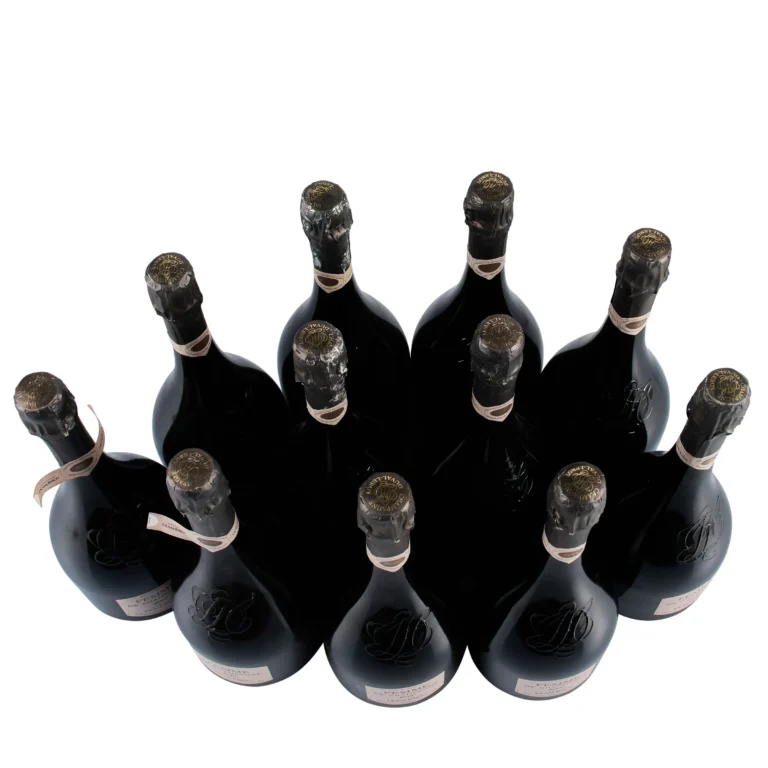


Rosé Champagne can seduce on color alone, but the best rose champagne bottles earn their place with structure, precision, and a finish that keeps pulling you back to the glass. Too many rosés lean on charm and fruit. The memorable ones carry real Champagne authority – chalk, tension, red-berry lift, and the kind of balance that works as well at table as it does at aperitif hour.
For serious buyers, rosé is also one of the most misunderstood categories in Champagne. Price can rise quickly, prestige labels can overshadow substance, and style varies far more than many drinkers expect. Some bottles are built around airy elegance and floral perfume. Others are vinous, gastronomic, and almost Burgundian in their authority. Knowing which is which matters if you want to buy with confidence.
What makes the best rosé Champagne bottles stand out
The first distinction is production method. Most rosé Champagne is made either by blending still red wine from Champagne into white base wine, or by allowing brief skin contact to extract color and phenolic shape. Neither method is automatically better. Blended rosé often delivers remarkable consistency and aromatic clarity, while saignée can produce deeper color, more texture, and a firmer, more savory profile.
The second distinction is house style. A grande marque rosé may prioritize polish, reliability, and broad appeal. A grower-producer may aim for terroir transparency, lower dosage, and more idiosyncratic expression. That does not mean one is superior to the other. It means the right bottle depends on whether you want ceremony, collectibility, food affinity, or pure hedonistic pleasure.
Vintage also matters, though not always in the way buyers assume. Non-vintage rosé from a great house can outperform lesser vintage rosé with ease. Prestige cuvées, meanwhile, often show their full class only after time in bottle. If you are buying for tonight, youthful exuberance may matter more than pedigree. If you are buying for a cellar, patience becomes part of the value.
Rosé Champagne bottles worth knowing
Krug Rosé
Krug Rosé remains one of the most complete wines in the region. It is expansive yet disciplined, with spice, dried citrus, wild strawberry, blood orange, and a deep mineral undertow. This is not a simple celebratory pink Champagne. It is a profound gastronomic wine that can stand beside game birds, lobster, or Japanese cuisine with equal ease. Expensive, certainly, but rarely ordinary.
Dom Pérignon Rosé
Dom Pérignon Rosé is one of the great benchmarks for tension and drama. In strong editions, it combines smoky breadth with pinpoint acidity and a slow-building finish that feels almost architectural. The style is less immediately playful than many prestige rosés, but that restraint is part of its appeal. It is a bottle for collectors and for drinkers who value evolution in the glass.
Louis Roederer Cristal Rosé
Cristal Rosé is among the finest expressions of refinement in Champagne. It tends to show satin texture, red currant, citrus zest, chalk, and an almost weightless intensity. The best vintages feel both ethereal and concentrated, which is a rare combination. If your preference is elegance over overt richness, this is a compelling candidate.
Billecart-Salmon Brut Rosé
There are few more reliable introductions to high-class rosé Champagne than Billecart-Salmon Brut Rosé. It is famous for finesse, delicate mousse, and notes of raspberry, white peach, and rose petal. That accessibility should not be mistaken for simplicity. It is one of the most consistently graceful bottles in the category and an easy choice for receptions, gifts, and refined aperitif service.
Laurent-Perrier Cuvée Rosé
Laurent-Perrier Cuvée Rosé has long been a reference point for drinkers who enjoy vivid fruit and a more immediate style. Built largely around Pinot Noir and produced through maceration, it often shows brighter color and a more direct expression of strawberry, cherry, and pomegranate. It is charming, expressive, and crowd-pleasing, though less cerebral than some of the wines on this list.
Bollinger Rosé NV
For those who want more vinous depth, Bollinger Rosé deserves attention. It carries the house signature of breadth and toast while preserving enough red-fruit freshness to keep the wine lively. This is a rosé that feels comfortable at the dinner table, especially with duck, salmon, or lightly spiced dishes. It may not be the most delicate bottle, but it is undeniably characterful.
Ruinart Rosé
Ruinart Rosé offers a more luminous, Chardonnay-influenced profile, with a sleek texture and floral red-fruit perfume. It is polished and stylish, often with notes of pink grapefruit, berries, and fresh herbs over a chalky frame. This bottle excels when presentation matters, but it also has enough substance to satisfy experienced drinkers.
Egly-Ouriet Rosé Grand Cru
Egly-Ouriet Rosé Grand Cru is for buyers who want grower intensity rather than big-house gloss. Powerful, dry, and deeply structured, it can show dark berry fruit, spice, earth, and serious chalk-driven length. This is not the easiest rosé for a casual toast. It is one for the table, for the cellar, and for readers who appreciate muscular Pinot Noir expression.
Pierre Peters Rosé for Albane
Pierre Peters Rosé for Albane is a connoisseur’s bottle – precise, lightly textured, and shaped by the house’s exceptional Côte des Blancs sensibility. The wine often feels more about line and finesse than obvious fruit. That makes it especially attractive to drinkers who usually prefer Blanc de Blancs but want a rosé with subtlety rather than sweetness or excess richness.
Philipponnat Royale Réserve Rosé
Philipponnat’s rosé is a strong choice for those who want authority without prestige-cuvée pricing. It tends to bring darker fruit tones, firm structure, and a food-friendly profile that performs well beyond aperitif settings. There is often a savory edge here that serious drinkers appreciate, particularly when paired with tuna, veal, or mushroom dishes.
Gosset Grand Rosé
Gosset Grand Rosé is one of the more underrated wines in the category. The house’s no-malolactic style gives the wine tension and cut, which can make it feel especially fresh and age-worthy. Expect red berries, citrus peel, and a crisp, upright frame. If you like classical proportions and less obvious softness, this is worth seeking out.
Champagne Vilmart & Cie Grand Cellier Rosé
Vilmart’s Grand Cellier Rosé sits beautifully between generosity and precision. Barrel influence can add creaminess and spice, while the fruit remains vivid and well defined. It is a sophisticated bottle for drinkers who enjoy texture and detail. In the right context, it can outperform more famous labels at the table.
How to choose the best rosé Champagne bottle for the occasion
If you are buying for a luxury gift, prestige and recognition still matter. Dom Pérignon Rosé, Cristal Rosé, and Krug Rosé all carry instant stature, but they communicate different things. Dom Pérignon signals modern iconic luxury, Cristal signals refinement, and Krug signals deep insider taste.
If you are buying for dinner, think less about label power and more about texture. Bollinger, Egly-Ouriet, Philipponnat, and Vilmart all have the vinosity to handle serious food. Delicate shellfish and crudo generally suit lighter, more lifted expressions like Billecart-Salmon or Ruinart.
If you want the best value, the sweet spot often sits below the prestige tier. Laurent-Perrier Cuvée Rosé, Gosset Grand Rosé, and Philipponnat Royale Réserve Rosé can offer strong typicity and real drinking pleasure without the luxury markup attached to flagship names. Value, of course, depends on market pricing. In some regions, a grower bottle may be the smarter buy than a famous house.
Vintage, dosage, and age: what buyers often miss
One common mistake is treating rosé as a category for immediate consumption only. While many non-vintage examples are designed to drink young, top bottles can age magnificently. With time, fruit becomes less primary, and notes of spice, dried flowers, orange peel, and truffle begin to emerge. Prestige rosé with 8 to 15 years of age can be extraordinary.
Dosage is another point worth watching. Lower dosage can sharpen the wine’s edges and increase its gastronomic appeal, but a little sweetness can also help red-fruit aromas bloom. There is no perfect number in the abstract. It depends on the ripeness of the vintage, the acid profile, and whether you plan to drink the wine on its own or with food.
Color should also be read carefully. A deeper pink hue may suggest saignée or greater red wine influence, but color intensity is not a shortcut to quality. Some of the most profound rosé Champagnes are relatively pale. Focus on balance, persistence, and the interplay between fruit and mineral structure.
Where Rosé Champagne bottles really earn their price
At the top end, you are not just paying for scarcity or packaging. You are paying for selection, reserve wine strategy, red wine quality, lees aging, and the discipline required to produce a rosé that tastes complete rather than cosmetic. Great rosé Champagne is harder to make than many buyers realize. It demands precision at every step.
That is why the category can be so rewarding when chosen well. A truly great rosé Champagne offers something white Champagne cannot quite replicate – the tension of Champagne with a subtle red-wine soul. Buy for style rather than hype, trust producers with a clear identity, and the bottle in your glass will do what the finest Champagne always does: read good, drink better.