
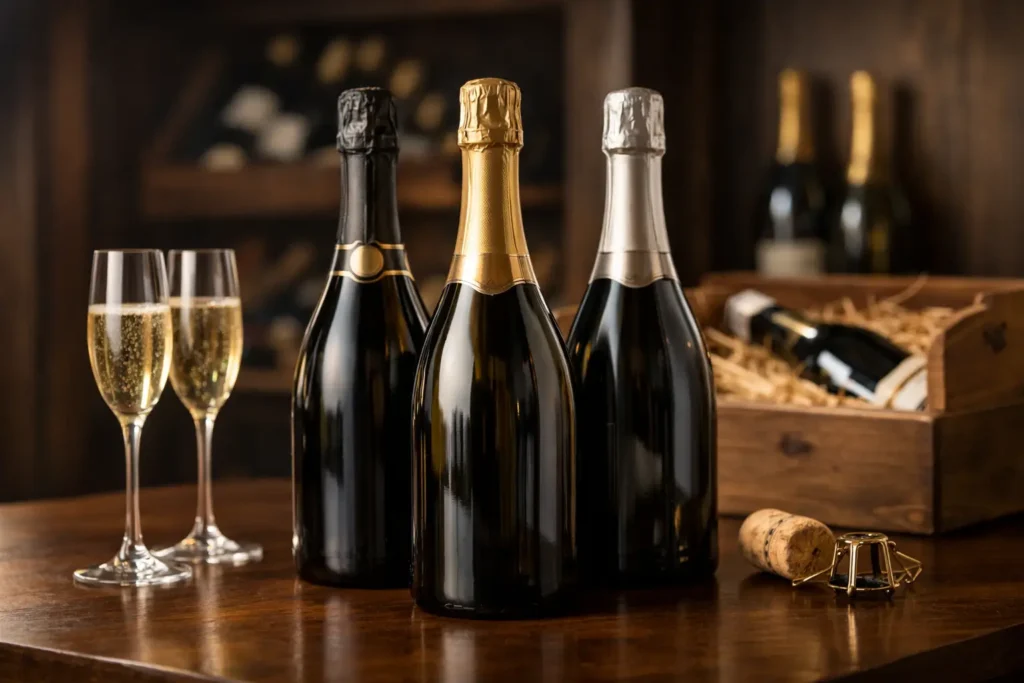
A collector’s cellar is usually built one case, one vintage, and one conviction at a time. The best champagne for collectors is not simply the most expensive bottle on a merchant’s list. It is the wine that combines pedigree, longevity, scarcity, and the kind of emotional pull that keeps a bottle relevant long after release.
That distinction matters because Champagne collecting has matured. The market is broader, pricing is sharper, and the gap between trophy buying and intelligent collecting has never been clearer. If your aim is to build a cellar with both drinking pleasure and long-term significance, you need more than famous labels. You need to know which houses and growers consistently produce wines with the depth, structure, and identity to reward patience.
What makes the best champagne for collectors?
Collectors often chase rarity first, but rarity alone is a poor guide. A genuinely collectible Champagne tends to sit at the intersection of four qualities: great terroir, a producer with a proven track record, strong aging capacity, and impeccable provenance. When all four line up, the bottle becomes more than a luxury purchase. It becomes a serious addition to a cellar.
Aging capacity is especially important. The finest collectible Champagnes do not merely survive for 15 or 20 years. They evolve into something more layered and complete, trading youthful fruit for truffle, smoke, hazelnut, chalk, and floral complexity. That transformation is where collecting becomes fascinating. It is also where the difference between an iconic cuvee and a merely fashionable one becomes obvious.
Provenance may be less romantic, but it is non-negotiable. Champagne is sensitive to heat, transport conditions, storage history, and late release handling. A bottle from a great vintage can still disappoint if it has moved through careless hands. Serious collectors buy not just producer and vintage, but source.
The houses that belong in a serious cellar
The grandes marques still dominate many collector conversations for a reason. At their best, they combine scale, consistency, historical depth, and the resources to hold back wines until they are ready.
Dom Perignon
Few names carry greater global recognition, but Dom Perignon deserves respect beyond branding. In strong vintages, it offers precision, tension, and a distinctly architectural shape that can age beautifully. The top years have a remarkable ability to gain breadth without losing line. For collectors, mature Dom Perignon remains one of the benchmark experiences in the region.
Krug
Krug is essential for many advanced collectors because its wines are so uncompromising in personality. Vintage Krug can be one of Champagne’s most profound long-distance runners, while the Grande Cuvee adds another dimension for those who value multi-vintage complexity. It is not a house for casual drinking. It is a house for attention.
Louis Roederer Cristal
Cristal has moved well beyond its image-driven reputation. In the best recent releases, it offers exceptional finesse, transparency, and control, with a calm authority that becomes even more compelling in bottle age. Cristal Rose, in particular, has become a touchstone for collectors who prize refinement over power.
Salon and Delamotte
Salon is one of the purest collector wines in Champagne. Produced only in select years and built from Chardonnay in Le Mesnil-sur-Oger, it is rare, cerebral, and often slow to unfold. It is not always generous in youth, which is exactly why experienced collectors love it. Delamotte, especially in strong vintages, can offer related pleasures at a lower level of entry, though without Salon’s aura or scarcity.
Bollinger R.D. and La Grande Annee
Bollinger appeals to collectors who prefer depth, vinosity, and old-school gravitas. La Grande Annee can age with real authority, while R.D. offers the added intrigue of extended lees aging and later release. These are Champagnes with shoulders. They speak fluently at the table and in the cellar.
Grower Champagne and small-production icons
If the grandes marques provide the classical framework of a cellar, elite grower producers bring detail, tension, and a more intimate expression of place. For many collectors, this is where the category becomes truly addictive.
Jacques Selosse
Selosse has become one of the most coveted names in the region, and not without reason. These wines can be intense, oxidative, deeply textural, and unmistakably individual. They are not for every palate, and that is part of their appeal. Collectors should approach them with both admiration and discipline, since prices can outrun drinking value quickly.
Cedric Bouchard
The Roses de Jeanne wines have become modern cult objects. Single-vineyard, low-production, and strikingly pure, they offer a radically focused view of Champagne. They are intellectually thrilling and often frustratingly difficult to secure. For collectors, that scarcity is part of the draw, but the real reason to buy is their singularity.
Egly-Ouriet
Egly-Ouriet has earned its place in top cellars through consistency and seriousness. The wines are vinous, structured, and often excellent with age, especially from Ambonnay. They reward collectors who want grower authenticity without sacrificing gravitas.
Ulysse Collin
Olivier Collin’s wines have become reference points for collectors drawn to terroir-driven Chardonnay and Pinot expressions outside the usual hierarchy. They can be electric in youth and haunting with time. Availability remains tight, which makes careful sourcing even more important.
Vintage matters, but not in the obvious way
Collectors often ask for the best vintages as if Champagne follows a simple ranking system. It does not. Great collecting is not about memorizing a short list of famous years. It is about understanding style.
A vintage such as 2008 has become central to many cellars because of its acidity, structure, and long-term promise. It is a collector’s vintage in the classic sense. By contrast, 2012 often offers more immediate charm while still carrying substantial aging potential. Then there are warmer, more generous years that may be glorious with medium-term age even if they are less monumental over decades.
The point is not to buy only the most celebrated year. It is to match producer style with vintage character. Krug in one year may be transcendent, while another producer is more compelling in a less hyped vintage. Serious collecting lives in these distinctions.
How to buy the best champagne for collectors without overpaying
The first mistake is buying only on reputation. The second is buying too late. Once consensus hardens around a wine, the price usually reflects it.
There is real advantage in following release patterns closely and buying from trusted merchants before market excitement peaks. Late-disgorged wines, small-production grower bottlings, and top rose cuvees can all move sharply once critics, sommeliers, and collectors begin to focus on them. Patience in the cellar is useful, but hesitation at purchase can be expensive.
This is also where breadth helps. A collector who only buys Dom Perignon, Krug, and Cristal will still own excellent Champagne, but the cellar may become predictable and unnecessarily costly. Including producers such as Egly-Ouriet, Agrapart, Pierre Peters, or Vilmart can create a more nuanced collection with stronger value relative to quality.
Collect for drinking first, investing second
Some Champagnes do appreciate impressively, particularly rare prestige cuvees, old vintages with strong provenance, and cult grower labels. Even so, Champagne remains a category where emotional return often matters more than financial return.
Unlike categories traded more aggressively for profit, Champagne collecting is shaped by release condition, disgorgement variability, storage history, and the reality that many bottles are ultimately opened. That gives the market texture, but it also means investment logic should be tempered by drinking intent. The strongest collections are usually built by people who would be happy to pull the cork on any bottle they own.
For that reason, verticals can be more rewarding than isolated trophy purchases. Following one producer across multiple vintages teaches more, drinks better, and often creates a cellar with real identity. A vertical of Cristal, Bollinger La Grande Annee, or Taittinger Comtes de Champagne can offer more pleasure and insight than a random parade of famous labels.
Storage, disgorgement, and the details collectors cannot ignore
Champagne is unforgiving when stored badly. Temperature stability matters more than almost anything else, and light, vibration, and poor humidity control all work against graceful aging. If you are spending serious money, storage is not an afterthought. It is part of the purchase.
Disgorgement date also deserves attention, especially with grower Champagnes and late-release wines. Two bottles from the same base wine can show differently depending on when they were disgorged and how long they rested afterward. Advanced collectors track these details because they shape the drinking window.
Condition reports should be read carefully. Fill levels, label integrity, capsule condition, and original cases all matter, especially if the bottle is intended for long-term cellaring or future resale. Champagne Club has long emphasized that tasting brilliance begins well before the cork is removed. For collectors, provenance is part of flavor.
The most satisfying cellar rarely looks flashy in every row. It looks thoughtful. It holds a few universally recognized greats, a few wines that only insiders immediately appreciate, and a handful of bottles bought because they represent conviction rather than consensus.
That is the real standard. The best collector Champagnes are not merely scarce. They continue to justify your belief in them, year after year, glass after glass.