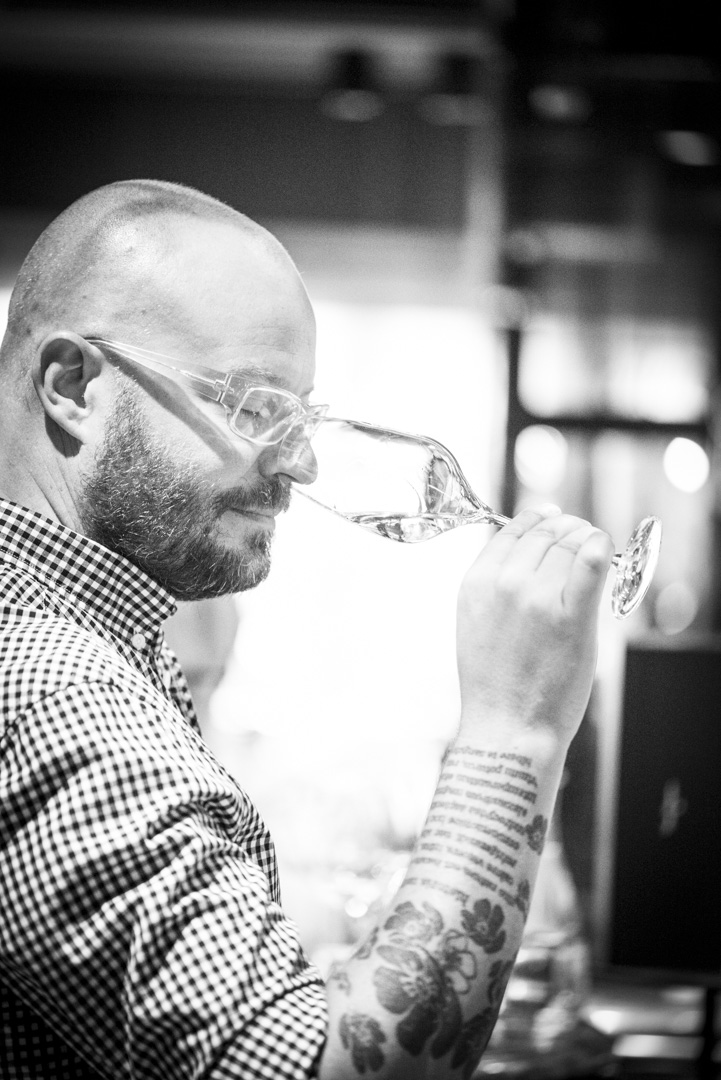


You can tell a great Champagne trip by what happens at 10 a.m. If you are standing in a cool chalk cellar in Reims with a glass of non-vintage Brut in hand, or arriving in Epernay just as Avenue de Champagne begins to stir, you are in the right place. This champagne travel guide Reims Epernay is built for travelers who care less about ticking off names and more about understanding why these two towns remain the intellectual and emotional center of the region.
For serious wine lovers, Reims and Epernay are not interchangeable. They complement each other. Reims offers grandeur, history, and the stately presence of major houses with deep reserves and formidable cellars. Epernay feels closer to the vineyards, more intimate in rhythm, and often more immediately connected to the producer landscape that shapes the wines in your glass. The best trips treat them as a conversation rather than a choice.
Why Reims and Epernay matter
The first thing to understand in any champagne travel guide for Reims and Epernay is geography with consequences. Reims sits slightly north, anchored by its cathedral, its urban energy, and a concentration of globally recognized maisons. Epernay lies to the south, smaller and more relaxed, with direct access to the Vallée de la Marne and the Côte des Blancs. On a map the distance is manageable. In tasting terms, the shift can be profound.
Reims is often the better base if your priority is cellar architecture, prestige cuvées, and a broader city experience. It has stronger hotel inventory, more polished dining, and easier rail access from Paris. Epernay is often the better base if you want to spend your days moving quickly between villages, visiting growers, and understanding the vineyard logic behind Chardonnay from Le Mesnil-sur-Oger or Pinot Noir from Aÿ and Ambonnay.
That does not mean one is superior. It means your itinerary should reflect your palate. If your fascination lies with blending, reserve wines, and the scale of Champagne as a luxury category, Reims has obvious advantages. If you are chasing terroir nuance and village identity, Epernay tends to feel more immediate.
Where to stay in this champagne travel guide Reims Epernay
Reims suits travelers who want a city break with Champagne at its core. You can walk between restaurants, bars, historic sites, and several important houses. This matters more than it sounds. After a full day of tasting, the ability to return on foot to a serious dinner and a proper hotel is no small luxury.
Epernay is quieter, and that is part of its appeal. A stay here can feel more immersed in Champagne rather than adjacent to it. You are never far from Avenue de Champagne, and you are closer to short drives into vineyard villages where many of the region’s most compelling smaller producers are based. If your trip is about appointments rather than sightseeing, Epernay is often the sharper choice.
For first-time visitors, splitting time between the two usually works best. Two nights in Reims and two in Epernay is a clean format. It allows you to absorb the contrasts without spending the entire trip in transit or trying to force too much into a single base.
What to book before you arrive
Champagne is not a region where elite visits should be left to chance. The most polished houses can appear easy to access, but prime times fill quickly. Smaller growers may receive visitors only by appointment, and some of the most rewarding experiences depend on relationships, timing, and the practical reality that producers are making wine, not running full-time hospitality operations.
Book major house visits well in advance, especially if you want English-language tours, older vintages, or a more private format. For growers, reach out early and keep expectations realistic. Some welcome visitors warmly but with limited availability. Others prefer trade contacts or established referrals. The trade-off is obvious – the harder visits often yield the deepest insight.
Transportation also deserves attention. If you plan to drink seriously, driving yourself is rarely the elegant solution. Private drivers are common for good reason. They let you move between villages efficiently and keep the day focused on the wines rather than logistics. Trains between Paris, Reims, and Epernay are easy enough, but village-hopping is another matter.
Reims: prestige, architecture, and historical scale
Reims impresses quickly. Its cathedral alone frames the city in the language of ceremony, and that same sense of scale carries into many of its Champagne addresses. Here, the leading houses often present not just wines, but entire narratives about continuity, cellar stocks, and style across decades.
This is the place to understand the power of blending in Champagne. Large houses in Reims often show why consistency is not a commercial shortcut but a technical achievement. Reserve wine management, village sourcing, and dosage decisions become easier to appreciate when you taste across a house range with context.
Still, Reims should not be reduced to grand brands and polished tours. It also has excellent wine bars and restaurants where Champagne lists can be studied rather than merely admired. For collectors and serious enthusiasts, that matters. A region reveals itself not only in the cellar but at the table, where grower bottlings, mature disgorgements, and food pairings sharpen your understanding of style.
Epernay: the avenue, the vineyards, the producer mindset
Epernay has its own prestige, but it wears it differently. Avenue de Champagne is one of the great streets in wine, not because it is ostentatious, but because it condenses so much history and value into a remarkably walkable stretch. Beneath it lie vast cellars. Around it lies the lived reality of Champagne commerce.
What Epernay does especially well is place you within reach of the villages that define connoisseur fascination. From here, the Côte des Blancs is not an abstraction. It is a short drive away. The Vallée de la Marne is similarly accessible, and Aÿ sits close enough to make Pinot Noir discussions feel rooted rather than theoretical.
If Reims teaches you how houses think, Epernay often teaches you how vineyards speak. This is where many travelers begin to notice that their preferences are less general than they thought. A lover of broad, toasty, cellar-aged richness may still gravitate to one set of producers, while someone drawn to chalk, tension, and saline cut may find their true axis elsewhere.
How to taste smarter across both towns
The temptation in Champagne is to overbook. Resist it. Two visits in a day, with a thoughtful lunch, are usually enough if you are tasting seriously. Three can work if one is brief. More than that, and subtle differences begin to blur.
Try to create thematic days. In Reims, compare two houses with different philosophies of blending and reserve wines. In Epernay, build a day around village expression, perhaps moving from Chardonnay-led sites to Pinot-focused terroirs. The point is not volume. It is contrast.
Ask better questions. Instead of asking what is best, ask how the house thinks about base year character, reserve wine percentage, oak use, malolactic fermentation, or dosage range. Ask which cuvée the producer believes most clearly expresses the estate rather than which bottle is most prestigious. Prestige cuvées matter, of course, but they do not always offer the most transparent lesson.
When to go, and what changes with the season
Spring and early fall are usually the safest choices. Vineyard conditions are beautiful, cellar visits run smoothly, and the towns feel active without peaking into high-season fatigue. Harvest can be thrilling, but it is not always ideal for access. Producers are busy, and hospitality may become secondary.
Winter has its own appeal. The atmosphere can feel quieter, more local, and at times more serious. If your objective is intimate tasting rather than postcard weather, off-season travel can be highly rewarding. The compromise is shorter days and a less animated street life, particularly in Epernay.
Dining, shopping, and the luxury of restraint
A good Champagne trip is not improved by trying to drink Champagne at every waking moment. Build in pauses. Reims has the stronger culinary scene overall, especially for travelers who want ambitious dining to match ambitious bottles. Epernay is more selective but still rewarding, particularly if you appreciate understated charm over metropolitan energy.
As for bottle buying, be strategic. Some cuvées are easier to source at home than others, especially in top export markets. Focus on estate-only releases, older disgorgements, visitor exclusives, and grower wines with limited international reach. Shipping, customs, and luggage constraints can complicate the romance of spontaneous purchasing.
That is one reason expert preparation matters. A well-planned trip saves room for the unexpected while avoiding rookie errors. For readers who want to go deeper before they arrive, Champagne Club offers the kind of producer context and tasting depth that makes each cellar visit more meaningful.
The finest trips to Reims and Epernay leave you with more than a few memorable glasses. They change how you read a label, how you hear a village name, and how you recognize the difference between fame and true affinity. That is when travel in Champagne starts to become knowledge, and knowledge starts to taste better.