
Want to toast like a world champion? Discover the exclusive Champagne houses gracing the VIP suites of World Cup 2026 and how to pair the perfect bottle with football history. [ read the full champagne story ]
Estimated reading time: 5 minutes

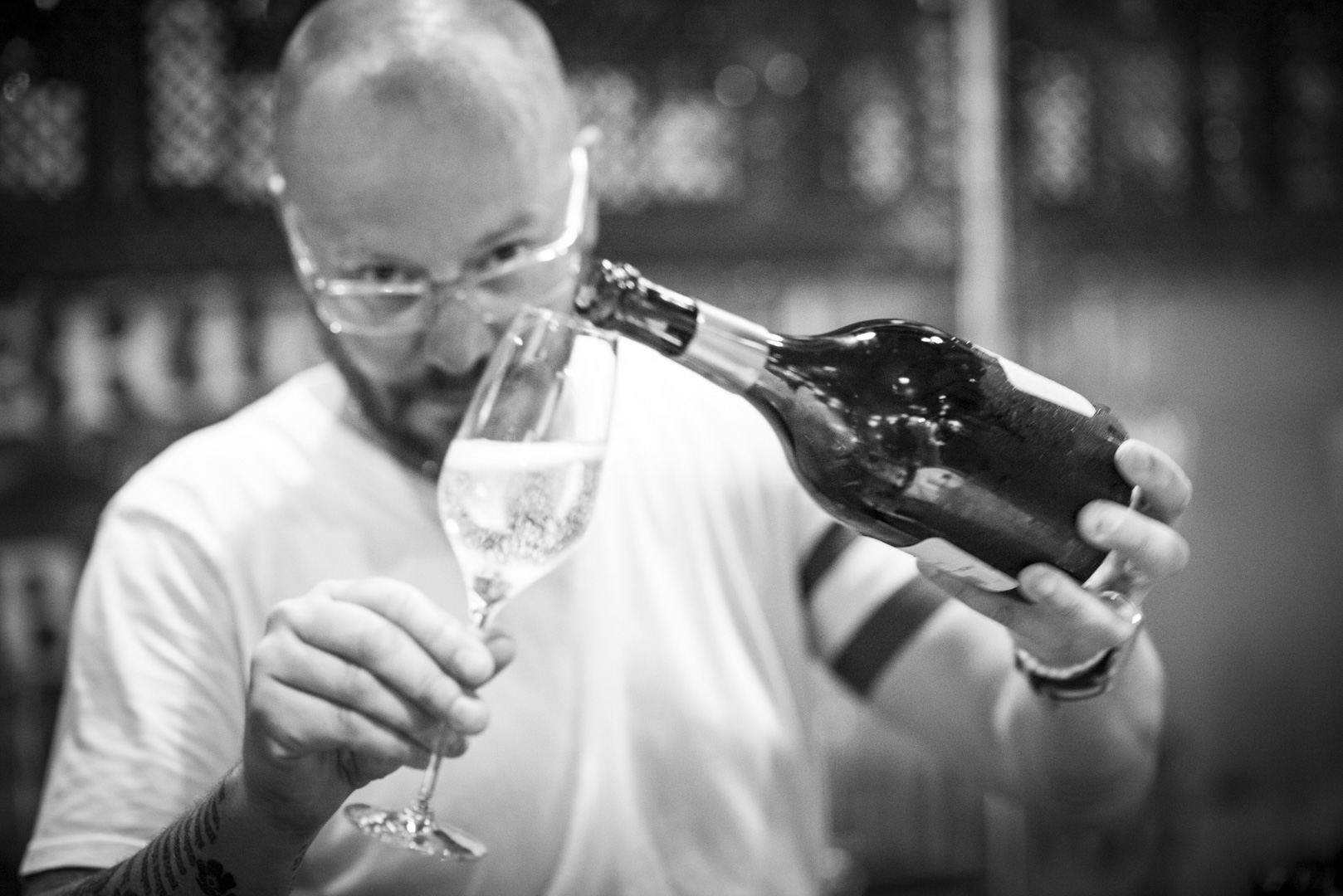
There is a recurring, deeply exhausting ritual that occurs at the climax of every major sporting event. A group of multi-millionaire athletes, having spent ninety minutes running around a patch of grass in North America, ascend a podium to be showered in confetti and handed a vessel of fermented grape juice. What follows is not an act of consumption, but a public execution. They shake the bottle with the frantic energy of a teenager with an insecurity complex and spray three thousand dollars worth of liquid history into the eyes of their teammates and the front row of the press box.
As TheChampagneSommelier, I watch this display of athletic vandalism with a mixture of profound nausea and professional despair. To witness a pristine, beautifully structured vintage treated like water from a fireman’s hose is a tragedy of global proportions.
With the World Cup 2026 descending upon the glittering stadiums of the United States, Mexico, and Canada, the hospitality suites of New York and Los Angeles are currently stocking up on luxury cuvées at a rate that suggests an impending prohibition. If your country manages to lift that gold trophy this summer, for the love of all that is decent, do not spray the bottle. Drink it.
Here is the definitive guide on how to celebrate like a true champion, rather than an uneducated lottery winner.
The Dressing Room Trauma: What the Winners Should Pop
The official locker-room celebration requires a wine that possesses what marketing executives—those soulless individuals who wear pristine white trainers to board meetings—call “brand alignment.” The footballing elite want labels that can be recognized from the back row of the cheap seats. They want Dom Pérignon, Cristal, or Krug.
But if the winning manager has an ounce of tactical genius left after the final whistle, he will have bypassed the corporate giants and secured something with real structure and physical energy. He will have stocked the ice buckets with a top-tier Blanc de Noirs.
Consider a powerhouse from the grand cru vineyards of Bouzy or Ambonnay—perhaps a legendary multi-vintage blend from André Clouet or the uncompromising muscle of Egly-Ouriet. These are wines born from 100% Pinot Noir. They don’t sing of delicate white flowers and afternoon tea; they growl of dark berries, truffles, and wet stone. They possess a deep, vinous weight that can cut through the sweat, the adrenaline, and the collective tears of forty thousand defeated opponents. It is the ultimate liquid adrenaline shot for a weary warrior.
The Luxury Hospitality Bracket: The Vintage 2012 vs. 2015 Showdown
While the fans in the cheap seats are numbing their anxieties with lukewarm stadium beer, the real geopolitical maneuvering of World Cup 2026 will be taking place in the glass-fronted executive suites. Here, the corporate oligarchs and FIFA delegates will be staging their own internal tournament, pitting the greatest modern vintages against each other.
The battle lines are already drawn between two distinct philosophical camps:
- The 2012 Vintage (The Tactical Masterpiece): This is the connoisseur’s choice for 2026. A year of absolute symmetry, precision, and laser-like acidity. A bottle of 2012 prestige cuvée—whether it be Louis Roederer Cristal or Pol Roger Sir Winston Churchill—is currently operating at its absolute peak. It has that brilliant, nervous energy and persistent mineral ryggrad that commands immediate respect. It is the vinous equivalent of a perfectly executed tiki-taka passing play.
- The 2015 Vintage (The Solar Powerhouse): For those who prefer their football—and their wine—with a bit more obvious muscle, the 2015s offer an opulent, generous, and “solar” expression. It is a vintage of rich, candied citrus, brioche, and immediate gratification. It doesn’t require a decade of quiet contemplation in a dark cellar; it arrives on your palate with its chest puffed out, ready to conquer the room.
The Sommelier’s Verdict: Respect the Bubble
If your nation defies the bookmakers and achieves footballing immortality this summer, your celebratory toast must reflect the gravity of the achievement.
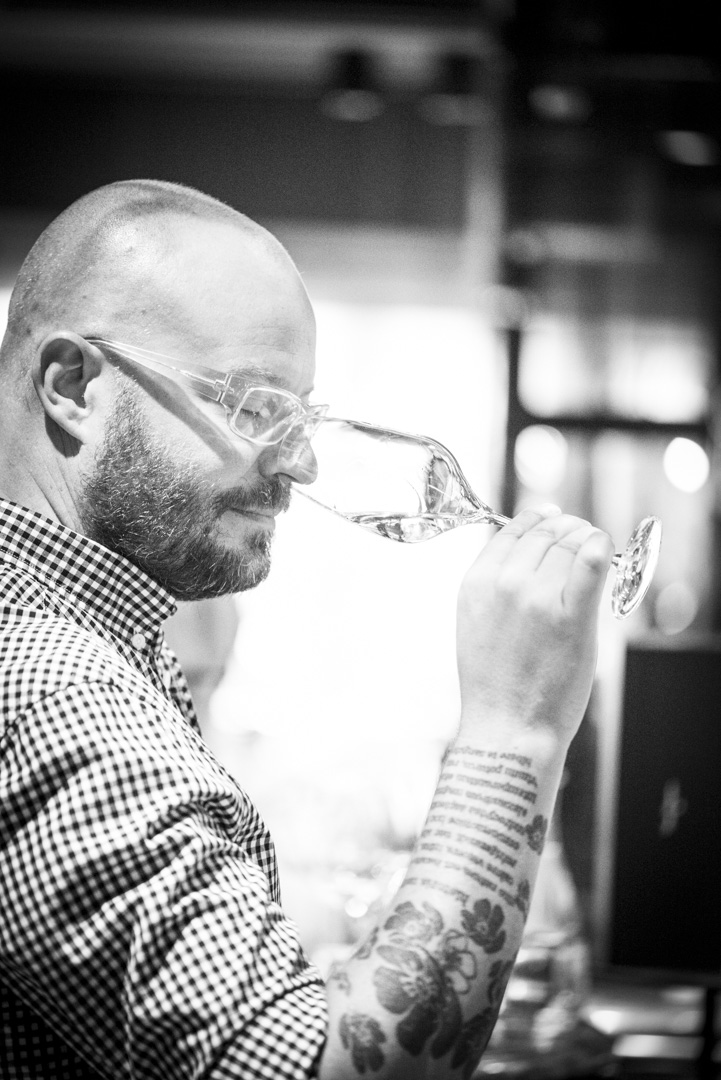
Do not serve your victory bottle at the temperature of a polar ice cap; you will completely mute the “emotion and light” of the fruit. Aim for a civilized 9–12°C. Avoid the narrow, prehistoric flute glasses that suffocate the aromatics; use a proper, tulip-shaped glass or a standard white wine glass so the liquid has room to breathe, stretch its legs, and tell you its secrets.
To win a World Cup takes four years of relentless discipline, sacrifice, and tactical perfection. To craft a bottle of vintage Champagne takes at least a decade of patient, respectful waiting in the quiet darkness of the chalk mines. Respect the human hand behind both achievements. Pour it with precision, look your worst enemy in the eye, and drink to the sweet, fleeting illusion of global supremacy.