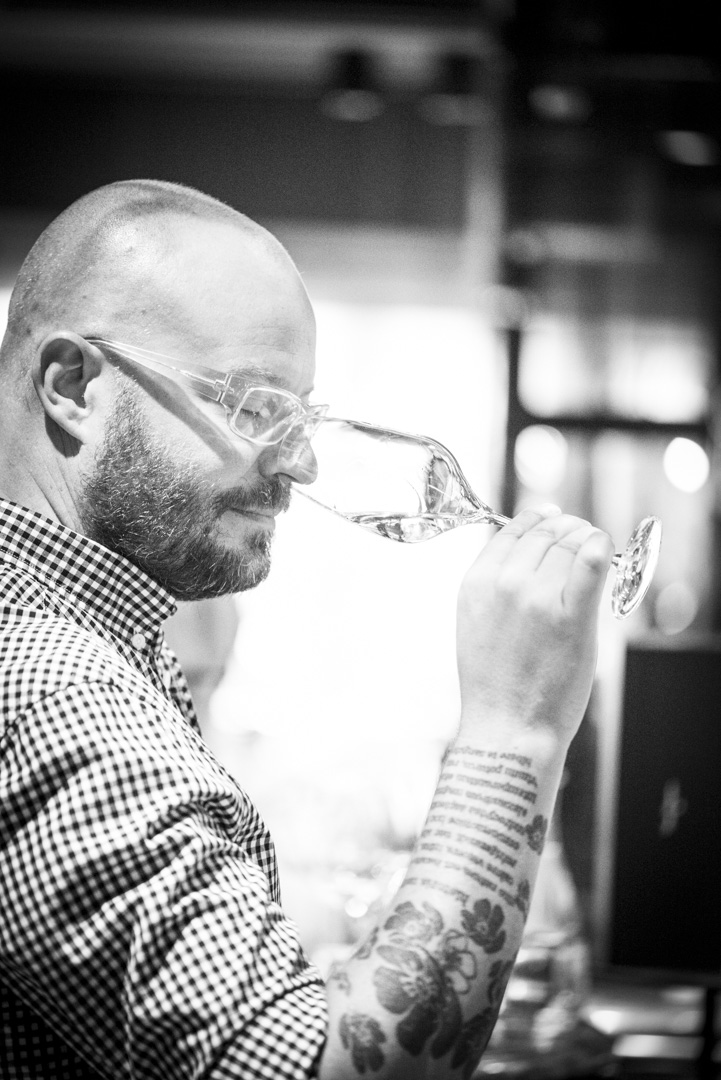
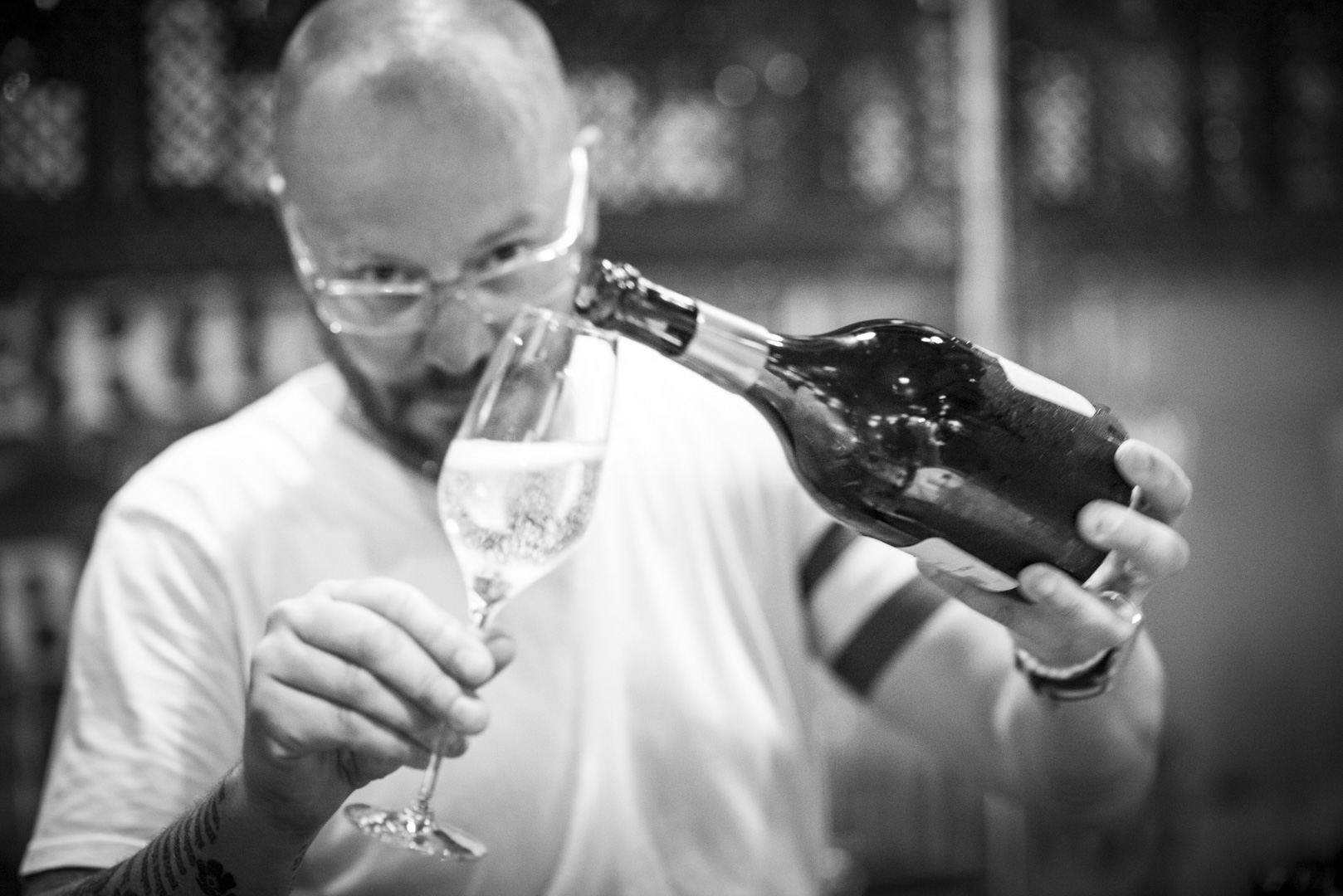

TheChampagneSommelier shared a bottle with Jean-François Clouet. [ read the full champagne story ]
Estimated reading time: 6 minutes

There is a specific brand of madness reserved exclusively for the growers of Champagne, a region where people spend their lives staring at chalk, worrying about frost, and pretending that a slightly damp cellar is the anteroom to heaven. But even in this asylum of fermented ambition, Bouzy stands out. It is the undisputed capital of Pinot Noir on the Montagne de Reims, a Grand Cru village where the grapes are supposedly so powerful they require a license just to be pressed.
And sitting right at the center of this sun-drenched, south-facing theater of ego is Champagne André Clouet.
But first of all, Jean François Clouet, last scion of this old family that is traceable to the court of Louis XV, guided us to an elevation. We found ourselves above Bouzy on the south side of the Montagne de Reims range of hills. Jean François points westwards: In 451 AD, Attila the Hun came riding from that direction and it was here that he met the army of the Western Roman Empire. But today, instead of a battlefield, a tranquil sea of vines stretches towards the horizon.
The commune of Bouzy enjoys Grand cru status. Some of the best Pinot Noir for champagne production grows here. The Clouet family is the proud owner of eight hectares of outstanding vineyards. Each plot is vinified separately. A portion is fermented and developed in used Sauternes casks from Château Doisy-Daëne, which lends the wines a very special aroma and flavour.
As TheChampagneSommelier, I have endured countless monologues from Chefs de Caves who possess the comedic timing of a Swiss actuary. But entering the world of Jean-François Clouet, the current proprietor, is altogether different. Jean-François is not merely a winemaker; he is a ringmaster, a self-styled historical romantic, and a man who treats the concept of understatement with the same open hostility that a French customs officer reserves for an expired passport.
The Architecture of the Ancien Régime
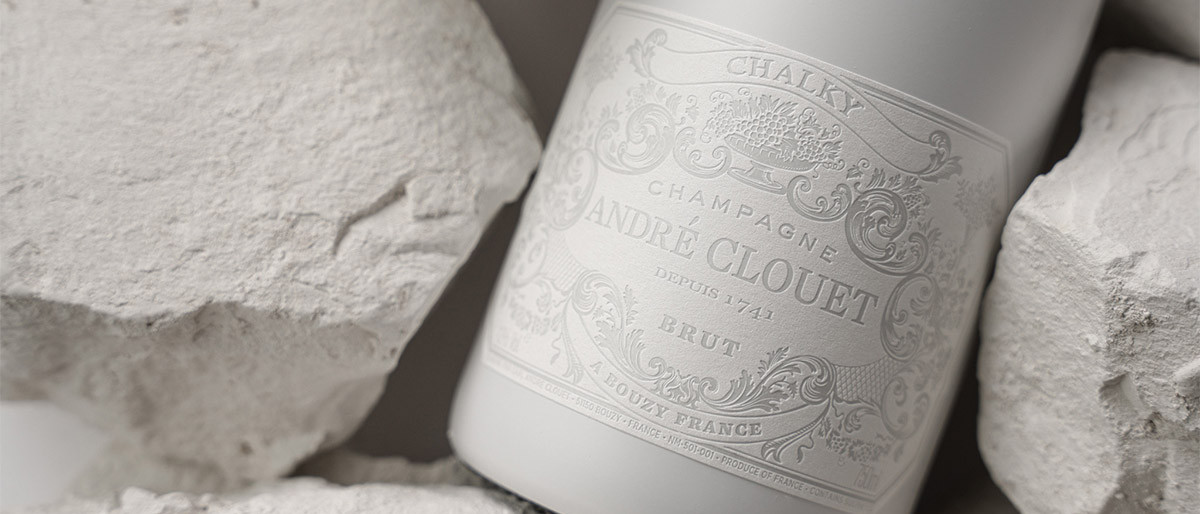
The Clouet estate is a visual assault of 18th-century privilege. Founded by ancestors who were printers to the Royal Court of Versailles—a biographical detail Jean-François will mention within approximately four seconds of meeting you—the house style is unapologetically baroque. The labels look less like wine packaging and more like a fragment of wallpaper smuggled out of Marie Antoinette’s private boudoir during a riot.
Jean-François himself operates with an assumed continuity of this royalist past. He is a man of grand gestures, theatrical pauses, and a wardrobe that suggests he might at any moment duel a man over a slight to his Chardonnay. He views Bouzy not just as a collection of vineyards, but as a sacred trust, a landscape of “structure and energy” that has remained faithful to its identity while the rest of the world devolved into stainless steel and marketing algorithms.
The Vineyard: The Holy Soil of Pinot Noir
To understand the Clouet wines, one must understand that Jean-François views his 8 hectares of Grand Cru plots as an extension of his own nervous system. Bouzy is a “solar” terroir. Unlike the chilly, acid-etched slopes of the Côte des Blancs, the south-facing chalk here catches every scrap of northern sunshine, baking the Pinot Noir until it develops a “depth and texture” that borders on the operatic.
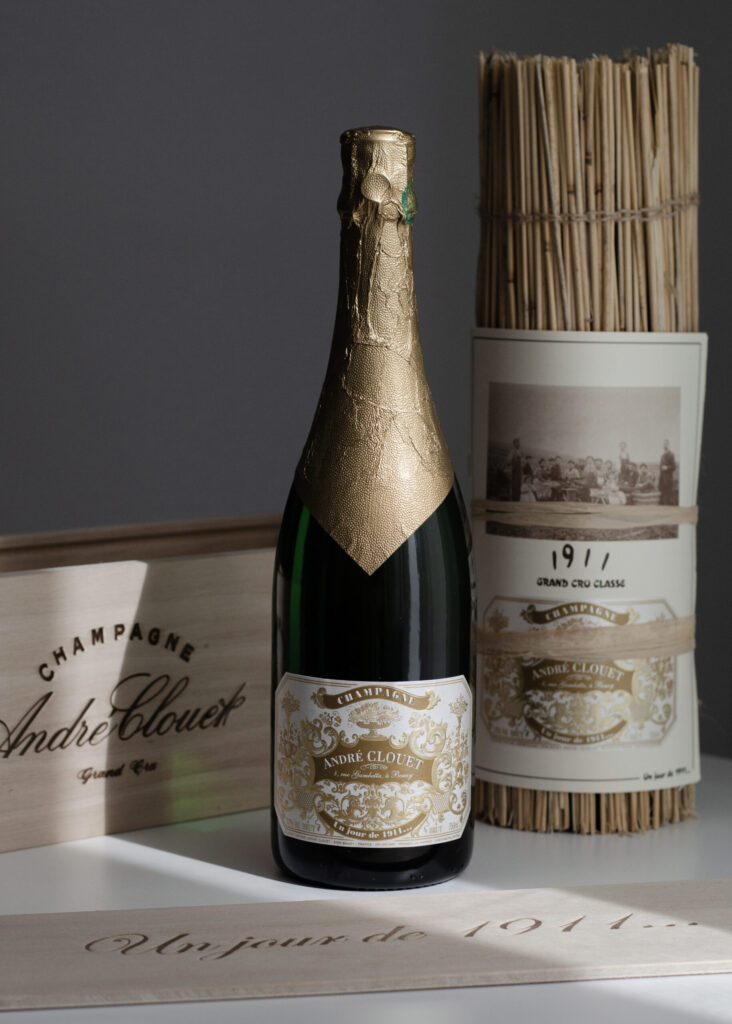
This is the ground that gives us ‘Un Jour de 1911‘, a multi-vintage prestige cuvée that is essentially a liquid monument to Edwardian excess. Supposedly crafted in memory of the golden age before the world went to pieces in the trenches, it is a wine of staggering, broad-shouldered density. It spends an eternity in the quiet darkness of the Clouet cellars, wrapped in straw like an fragile, expensive antique, emerging with a creamy, brioche-laden substance that requires a patient, almost apologetic approach from the taster.
The Technique: Old Barrels and New Illusions
While the modern vinous tourist demands “purity and tension”—which is usually code for wine that tastes like a battery lick—Jean-François is not afraid of the flesh. He is one of the few who still understands how to use small oak casks to build a dialogue between the fruit and the wood without allowing the smoke to murder the origin.
Take his ‘Dream Vintage’ series or the iconic ‘Silver Brut Nature‘. The latter is a Blanc de Noirs with zero dosage—a concept that in lesser hands results in something resembling a chemical peel. But under Clouet’s “demanding vision,” the natural richness of the Bouzy Pinot Noir provides enough gourmand weight to balance the absolute absence of sugar. It is a wine of “precision and tension”, offering notes of candied citrus and dried red berries, underbalanced by a persistent mineral finish that stays with you longer than an unpaid tax bill.
Gastronomy: The Table of the Sun King
To drink André Clouet as a mere celebratory splash before a mediocre dinner is an insult to the human hand that shaped it. These are wines built for the table. They demand food with structural integrity—not the ethereal foams of the avant-garde, but real, uncompromised gastronomy.
Pair the richer cuvées with a heavy, roasted bird or a classic sweetbread dish. The wine’s inherent salinity and structural energy act as a perfect foil to the fat, creating that “lilla mellantiden”—the thoughtful interval where the palate realizes it has encountered something truly exceptional.
The Verdict
Jean-François Clouet is easy to criticize if you are the sort of tedious puritan who believes wine should be made in a laboratory by men in lab coats. He is charmingly arrogant, he is cynical about modern trends, and he treats his family history as if it were Holy Writ.
But the liquid in the bottle does not lie. André Clouet remains one of the most compelling expressions of Pinot Noir in the region, anchored completely in its time while refusing to deny its past. It is an extraordinary, theatrical achievement. If you don’t enjoy it, the fault, dear reader, is entirely in your own pedestrian imagination.