Explore the dark side of Champagne with our guide. Understand common faults like TCA and how they affect your tasting experience. [ read the full champagne story ]
Estimated reading time: 3 minutes
Even in the most pristine cellars, nature can be a fickle mistress. As TheChampagneSommelier, I’ve often said that a great bottle of Champagne is a dialogue between the wine and the drinker—but sometimes, that dialogue is interrupted by a screaming, faulty interference. To truly master the art of the “övertänkt smak” (the thoughtful taste), you must be able to identify when the wine is no longer a “work of art” and has instead become a biological casualty.
Here are the most common culprits that can sabotage your glass.
1. Cork Taint (TCA)
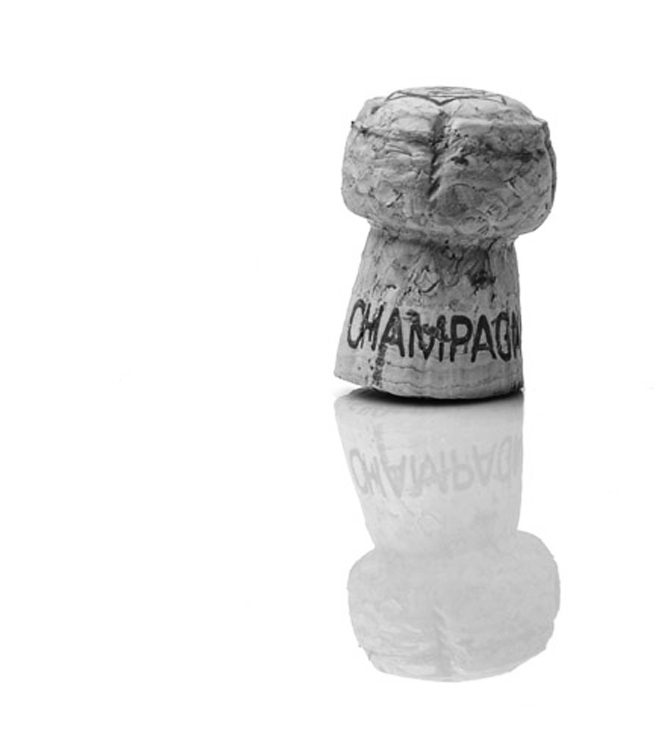
This is the most frequent heartbreak in the wine world. It has nothing to do with the winemaker and everything to do with a chemical compound called 2,4,6-trichloroanisole (TCA) that infects the natural cork.
- The Scent: The vibrant aromatics of “yellow fruits and acacia honey” are replaced by the smell of damp cardboard, a musty basement, or a wet dog.
- The Palate: The wine feels stripped of its “emotion and light”. The fruit is muted, and the finish is bitter and hollow.
- The Verdict: There is no cure. Even a legendary 1996 Krug cannot survive a bad cork. Send it back immediately.
2. Goût de Lumière (Light Strike)
Champagne is famously “sensitive to light,” which is why prestige cuvées like Cristal are wrapped in UV-protective cellophane and houses like Henriot emphasize the “quiet darkness” of their cellars.
- The Cause: Ultraviolet or blue light reacts with riboflavin (Vitamin B2) in the wine, creating unpleasant sulfur compounds.
- The Scent: Often described as the smell of “boiled cabbage,” “wet wool,” or “burnt rubber.”
- The Palate: The wine loses its “purity and tension” and tastes flat and chemically.
- The Pro-Tip: This is why you should never buy a bottle of Champagne that has been sitting in a brightly lit shop window. Clear glass bottles are the most vulnerable.
3. Oxidation
While some houses, like Krug or Bollinger, use a touch of controlled oxygen to build “depth and texture,” uncontrolled oxidation is a death sentence.
- The Scent: If your young 2015 vintage smells like bruised apples, sherry, or flat cider, it has likely oxidized due to a faulty seal.
- The Visual: The wine will appear deep gold or brownish rather than its intended “shimmering gold with amber glints”.
- The Palate: The “persistent mineral finish” is replaced by a heavy, nutty, and vinegary flatness.
4. Premature Evolution (Premox)
This is the “tragic aging” mentioned in the 1996 vintage retrospective. It occurs when a wine develops far more rapidly than its peers.
- The Experience: You open a bottle of Veuve Clicquot La Grande Dame expecting a powerhouse, but find it “damaged” or tired, lacking the “energy” that defines a great vintage.
- The Identifying Marker: A lack of “vibrancy” and a palate that feels “past its prime” despite a technically correct drinking window.