Uncover the secrets of The Beginner’s Champagne Spring Guide and learn to sip like a pro as the vines awaken this spring.
Estimated reading time: 4 minutes
Spring in Champagne is not just a season; it is a spiritual awakening. As the frost retreats from the Grand Cru slopes and the “lilla mellantiden”—that thoughtful pause between the first sip and the intellectual realization—becomes more pronounced in the warming sun, the newcomer to this world faces a delightful challenge. How do you navigate the complex hierarchy of bubbles without looking like a “vinous tourist”?
As TheChampagneSommelier, I’m here to guide you through the chalky labyrinth. From understanding the “solar” energy of a warm vintage to decoding the secret language of the cellar master, here is your definitive guide to getting it right this spring.
1. Understand the “Solar” vs. “Steel” Vintages
Spring is the perfect time to explore how light and heat shape the liquid in your glass. For a beginner, the easiest way to understand terroir is through the lens of the vintage.
- The Solar Powerhouse: Look for the 2015 vintage. It was a warm, radiant year that yielded concentrated, structured grapes. A wine like Henriot Cuvée des Enchanteleurs 2015 embodies this “solar” expression, offering ripe yellow fruits and acacia honey balanced by a saline freshness.
- The Vertical Energy: Contrast this with a “steelier” year like 2014 or the legendary 1996. These years are defined by high acidity and laser-like precision. Beginners often find solar vintages more “generous” and approachable, while the steelier years are for those who enjoy a bracing, mineral backbone.
2. Decode the Blend: Pinot Noir vs. Chardonnay
Spring drinking calls for versatility. Understanding what is in the bottle helps you pair your wine with the season’s fresh produce, like white asparagus or scallops.
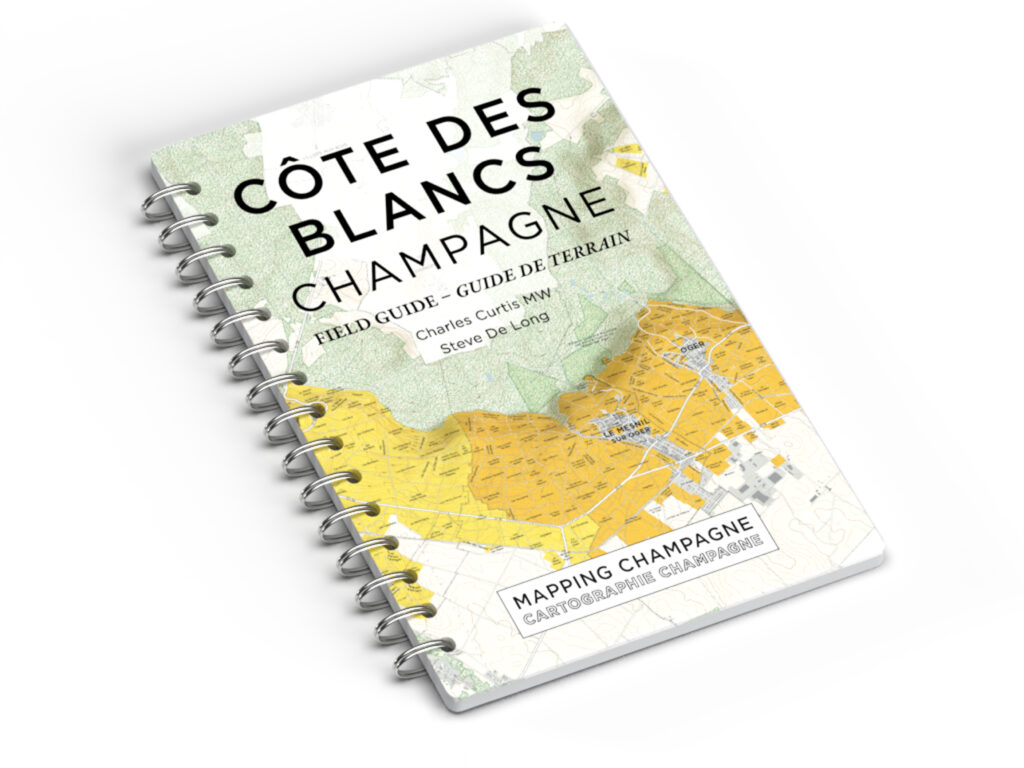
- Chardonnay (The Côte des Blancs): Brings purity, tension, and citrus notes. It is the “nervous system” of the blend, providing the persistent mineral finish that defines high-end Champagne.
- Pinot Noir (The Montagne de Reims): Provides the “flesh.” It adds depth, texture, and structure.
- The Perfect Marriage: Many prestige cuvées, such as the Cuvée des Enchanteleurs, use an equal 50/50 blend to achieve a dialogue between power and elegance.
3. The Art of Patience: Why Age Matters
One of the biggest “inside secrets” for newcomers is the importance of time on the lees (the yeast).
- Non-Vintage vs. Prestige: While standard Champagne might age for 2-3 years, a prestige cuvée like those found in the Henriot or Pol Roger cellars often spends 10 years or more in the dark chalk pits.
- The Result: This long passage of time transforms primary fruit into complex aromas of brioche, toasted nuts, and “candied citrus”. When buying, always check the “ageing” stats on your Champagne Club App.
4. Serving Like a Sommelier
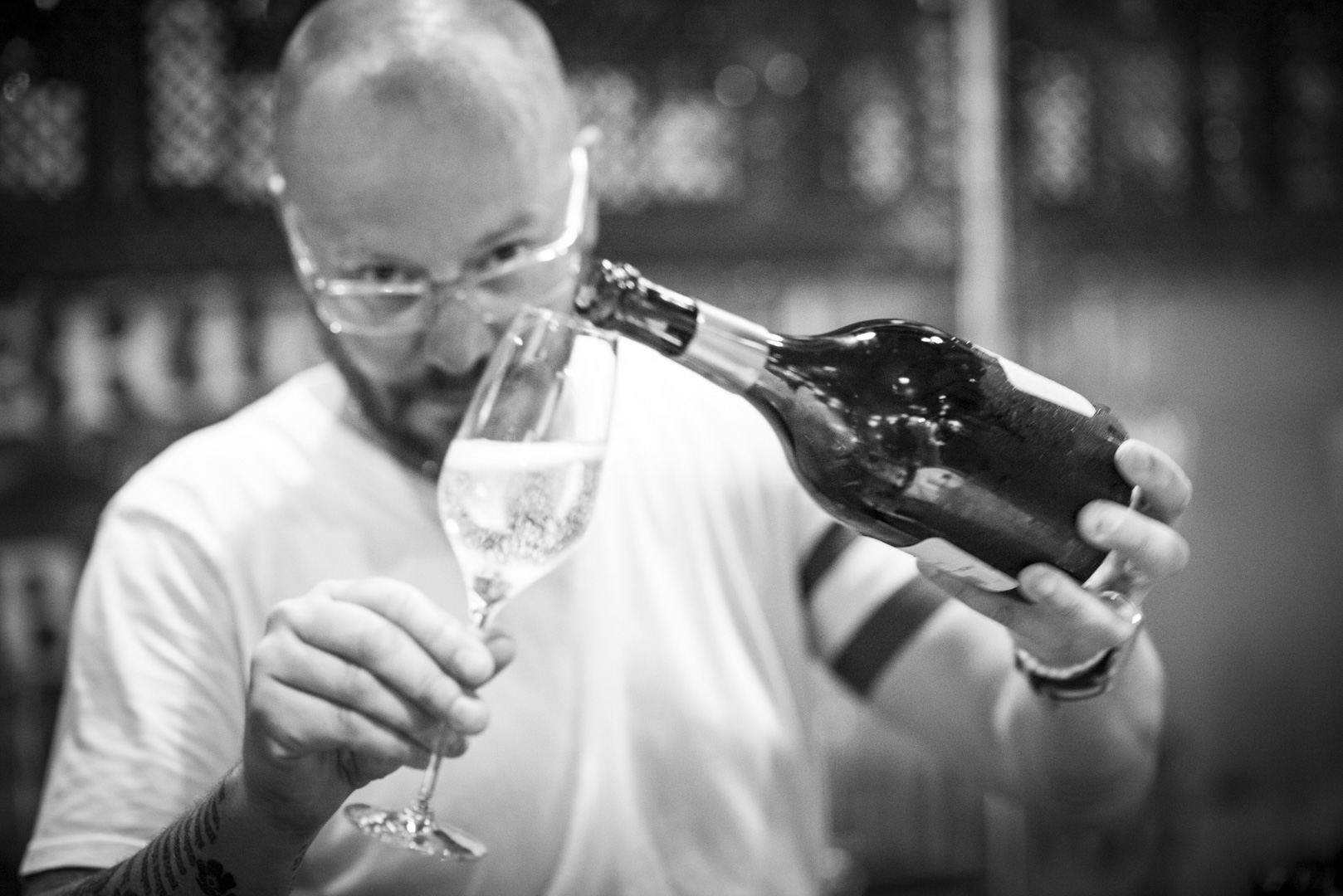
Don’t sabotage a great bottle by serving it at the wrong temperature or in the wrong glass.
- The Temperature: For a complex vintage or prestige cuvée, avoid the “ice-cold” trap. Serve between 9-12°C. This allows the “solar” aromatics to actually unfurl rather than being muted by the cold.
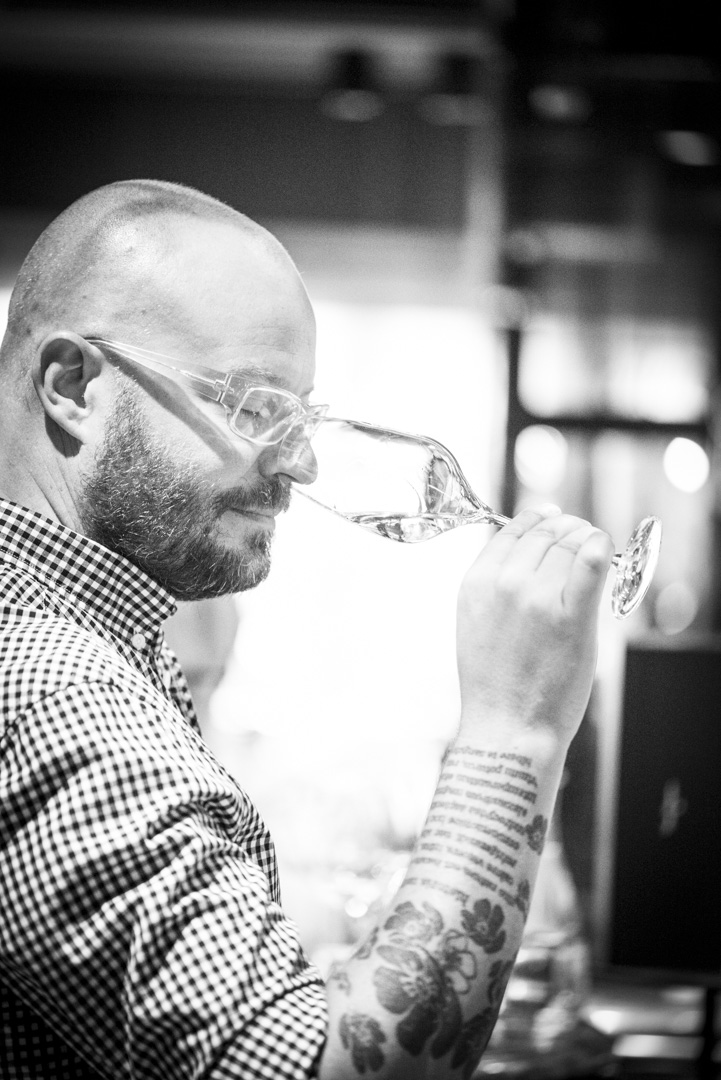
- The Glass: Put away the narrow flutes. Use a tulip-shaped glass or a standard white wine glass. You need surface area to smell the “emotion and light” of the wine.
5. The Pro’s Spring Checklist
- Check the Dosage: For a pure experience, look for Extra Brut or wines with a low dosage (e.g., 3.5g/L). This allows the terroir of the Grand Crus to speak without “artifice”.
- Follow the Founders: Focus on wines sourced from the “Founding Grand Crus” like Verzenay, Mailly, Avize, and Le Mesnil-sur-Oger. These are the historical heartbeats of the region.
- The “Enchanteleurs” Legacy: This term refers to the cellar craftsmen who stacked bottles on laths—a tribute to the “human hand” that guides the wine through the years.
The Verdict for Spring
Spring is about balance. You want a Champagne that offers both the richness of a warm summer and the “salinity and freshness” of the chalky soil. Whether you are exploring the new Lanson ‘Le Green’ or the returning Henriot Enchanteleurs, remember: Champagne is a wine of memory. Drink it slowly, think about the “little interval” of taste, and enjoy the awakening of the season.
Ready to start your collection? Use the Champagne Club App to track your “Founding Grand Cru” bottles and never miss a peak drinking window.