A Prescriptive Analysis of Structure and Generosity for Champagneclub.com [ read the full champagne story ]
Estimated reading time: 5 minutes
The Christmas dinner is not merely a meal; it is a gastronomic performance. And the selection of the principal Champagne is the most critical curatorial decision of the day. It is the wine that must not only carry the toasts but also bridge the formidable divide between fatty meats, rich sauces, aromatic spices, and the sheer length of the occasion.
This year, the choice presents a fascinating dilemma for the discerning collector: we pit two titans of the modern era against each other—the ascetic perfection of 2008 versus the immediate, generous charm of 2013. Both are universally lauded; both are certified vintage classics. But they are, unequivocally, tools for different jobs.
To choose correctly for the holiday table, one must understand their souls.
I. Vintage 2008: The Crystalline Scalpel
The 2008 vintage is, simply put, a masterpiece of tension. It is the academic, the ascetic, the vintage that demands respect and rewards infinite patience.
The Growing Season’s Rigor
The year was characterized by a long, cool growing season, culminating in a spectacularly sunny, dry final month of September. This lengthy hang-time allowed the grapes (Pinot Noir, Chardonnay, and Meunier) to achieve perfect phenolic ripeness while preserving exceptionally high acidity. It was a season of discipline, not indulgence.
The Wine’s Character: Structure Triumphant
The resulting wines are defined by:
- Laser-like Acidity: The defining trait. It is sharp, precise, and utterly cleansing. It gives the wine a feeling of eternal youth.
- Mineral Intensity: A strong saline, chalk-driven minerality provides extraordinary length and purity.
- Structure: These wines are tightly coiled, often closed in their youth, only now beginning to reveal their deep complexity (brioche, lemon curd, toast).
- Verdict: 2008 is the Champagne of finesse, endurance, and intellectual purity. They are just entering their 15-year drinking window, still showing immense tension.
II. Vintage 2013: The Velvet Hammer
The 2013 vintage, by contrast, is the beautiful anomaly. It is the wine of immediate charm, offering its gifts with generous, enveloping warmth.
The Growing Season’s Challenge
2013 saw one of the latest harvests in modern Champagne history (extending into October). A cool, late flowering period was redeemed by a spectacular autumn. This extended, slow ripening cycle resulted in wines with high sugar content and slightly softer acidity than 2008, despite the late finish. The concentration is present, but it’s delivered with a velvet touch.
The Wine’s Character: Generosity and Charm
The resulting wines are defined by:
- Textural Richness: A rounder, broader mouthfeel compared to the sharp 2008s. They are creamy and enveloping.
- Immediate Fruit: Notes of ripe orchard fruit, stone fruit, and a pleasant generosity are evident upon release.
- Balance: The wines are beautifully balanced and approachable now, already showing secondary complexity (honey, dried herbs) alongside vibrant fruit.
- Verdict: 2013 is the Champagne of texture, generosity, and accessible beauty. They are ready to drink now and offer immediate pleasure without the decade-long wait required by its predecessor.
III. The Christmas Dinner Duel: Pairing Analysis
The question is not which wine is “better” (a foolish metric), but which wine is the more effective tool for the unique demands of the Christmas menu.
Scenario A: The Traditional Anglo-Saxon Feast (Turkey, Stuffing, Gravy, Heavy Sauces)
The traditional Christmas table is dominated by richness, fat, and umami. The sauces are thick, the meat is savory, and the plates demand a textural handshake.
- The Problem: The laser-like acidity of 2008, while beautiful, can sometimes clash too aggressively with rich, buttery sauces, causing the wine to momentarily “shut down” or appear overly austere against the sheer weight of the food.
- The Solution: Vintage 2013 is the superior choice here. Its rounder, richer texture integrates seamlessly with the weight of the turkey or goose, and its generous fruit profile acts as a perfect foil to the savory stuffing and herbal seasoning. It harmonizes; it doesn’t fight.
Scenario B: The Scandinavian or Seafood Focus (Lutefisk, Shellfish, Delicate Paté)
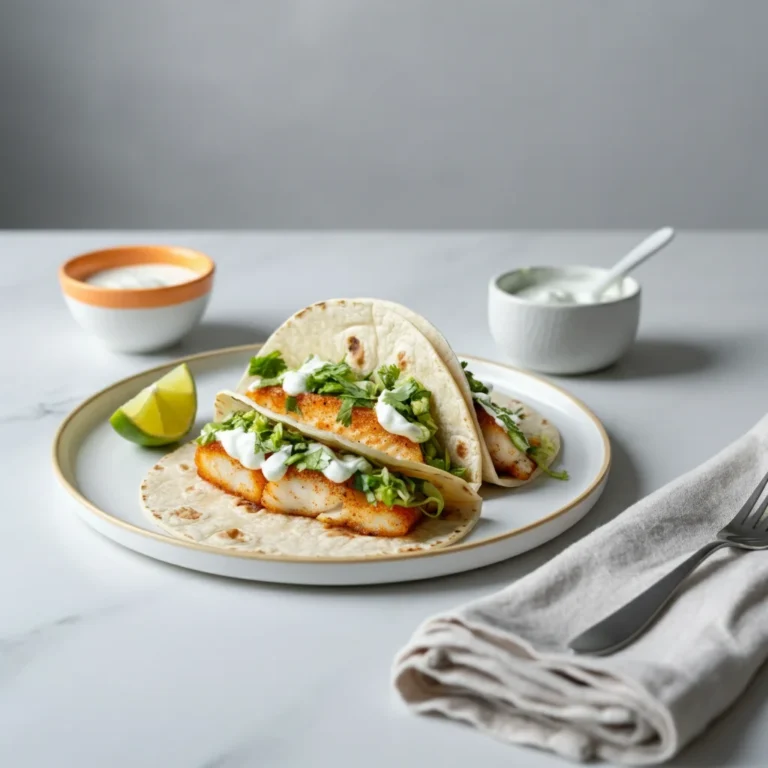
If your Christmas Eve or Christmas Day is focused on lighter, more delicate elements requiring focus and precision (think pristine shellfish, smoked salmon, or pure Blanc de Blancs pairings).
- The Problem: The generous, broad texture of 2013 might slightly overshadow the delicate nuances of raw seafood or finely layered paté.
- The Solution: Vintage 2008 reigns supreme. Its cutting acidity and deep salinity act as a perfect, crystalline cleanser for raw oysters or smoked fish, providing tension and freshness without adding excessive weight. This is the wine for the aperitif and the early, lighter courses.
IV. The Sommelier’s Final Verdict
The ultimate choice depends on where in the evening you intend to deploy the Champagne.
The Verdict for the Main Course:
Open the 2013. Its immediate generosity, textural maturity, and roundness make it the ideal partner for the primary, rich dishes of the holiday table. It is the perfect Vin de Gastronomie for the celebration’s peak.
The Verdict for the Aperitif and Future:
Save the 2008. It is still too young, too tightly coiled, and too cerebral to waste on the chaos of the main meal. Reserve it for the post-dinner quiet, or better yet, lock it away for its 20-year anniversary. When it comes to the 2008, patience is the greatest form of reverence.
The truly sophisticated host, of course, does not choose between them. They serve the 2008 as the razor-sharp welcome drink to calibrate the palate, followed by the 2013 to embrace the feast. It is the only way to pay proper homage to both the rigour of the vineyard and the indulgence of the holiday table.