
A Comprehensive Guide to Champagne for Cold Climates – For the Champagne Club [ read the full champagne story ]
Estimated reading time: 5 minutes

When the darkness of November turns into the twinkling light of December, a fundamental change occurs in our gastronomic landscape. We leave behind the crispy salads and light fish dishes of summer. Our plates are instead filled with the rustic, the rich, and the profound: slow-cooked meats, game, root vegetables, butter, cream sauces, and spicy Christmas flavours.
This transition demands a corresponding shift in our choice of Champagne. The elegant, acid-driven Blanc de Blancs that was perfect for an aperitif in July can feel a bit too thin in the glow of candlelight and the scent of cloves. December’s feasting requires a Champagne with backbone, texture, and warmth—a Champagne that not only cleanses but also embraces.
The solution, my friends, lies in the alliance between Pinot Noir dominance and the rare complexity of Reserve Wines.
I. Pinot Noir: Champagne’s Warm Backbone
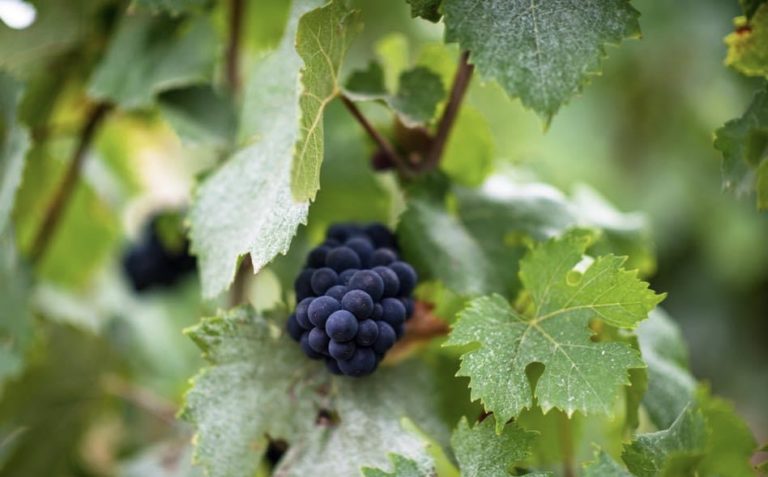
Pinot Noir is, as we know, one of Champagne’s three cornerstones, but its role extends far beyond being merely a component. It is the grape that provides the wine with structure, depth, and a necessary masculine power.
Structure and Fruit
In Champagne, Pinot Noir is mainly grown on the cooler, chalk-rich slopes of Montagne de Reims (e.g., in Grand Cru villages like Aÿ, Verzenay, and Bouzy) as well as in Côte des Bar in the south.
- Body and Texture: Pinot Noir contributes a fuller mouthfeel and a larger body. In contrast to Chardonnay, which excels in acidity and pure minerality, Pinot Noir adds a breadth and weight that is crucial for matching high-fat dishes.
- Darker Tones: Although the Champagne is vinified as a white wine, Pinot Noir carries subtle, darker fruit notes: red berries, cherries, and a hint of spiciness. These tones brilliantly harmonize with Christmas spices (cloves, cinnamon) and the umami of meat.
- Ageing Potential: The grape’s natural tannins and higher phenolic ripeness give the wine impressive ageing capacity. In December, we want to drink wines that have some age on them, and Pinot Noir is the guarantee that the wine not only survives but actually flourishes with time.
When you choose a Champagne with at least 60–70% Pinot Noir, you choose a wine that does not apologize for its existence. It is a wine that says: “Yes, I am here to handle your cream sauce and your truffles.”
II. The Magic of Reserve Wines: The Touch of Time
If Pinot Noir is Champagne’s backbone, then Reserve Wines are its soul and memory.
Reserve wines are still wines from previous vintages that are saved in the cellar and then blended into the house’s Non-Vintage (NV) cuvées. They serve two critical functions:
A. Consistency
They ensure that the house style remains the same year after year, regardless of the caprices of the weather.
B. Complexity (The Essence of Winter)
It is in complexity that the magic of reserve wines reaches its peak in December.
- Autolysis and Texture: Reserve wines, often aged in bottle or in steel tanks/oak for several years, have already developed so-called tertiary aromas. They offer notes of toasted bread, dried fruit, honey, coffee, and nuts. These flavours are a direct match for the rich, brown taste of browned butter, oven-roasted nuts, and the fatty, flavourful holiday food.
- Texture and Breadth: Old reserve wines add incredible texture and breadth on the palate. They are not as acidic and harsh as young Champagne; they are rounded, polished, and almost velvety. This softness wraps the palate and creates a feeling of luxury and warmth that is indispensable in the winter cold.
Houses like Charles Heidsieck (known for their high proportion and average age of reserve wines) and Bollinger (known for their oak-aged reserve wines in magnum) are masters of this art. Their wines taste not just of grapes, but of time.
III. The Perfect Synergy: Power and Maturity
When Pinot Noir dominance meets mature reserve wines, a Champagne tailored for December emerges. We get:
| Feature | Component | Effect in the December Context |
| Power & Structure | Pinot Noir | Handles dishes like game, duck breast, and hearty stews. The wine has a backbone that does not collapse under the pressure of sauce and fat. |
| Nuttiness & Spice | Reserve Wines | Harmonizes with Christmas spices, roasted vegetables, and the smoky flavour of ham or sausage. Contributes umami. |
| Breadth & Roundness | Reserve Wines | Provides a full, pleasant mouthfeel that feels “warmer” and more luxurious than a narrower, acid-driven Champagne. |
| Long Finish | Both | The long, complex aftertaste provides a worthy conclusion to a large sip, which is necessary during a long, multi-course winter dinner. |
The Practical Match
- Goose or Duck: The high-fat content requires the power and acidity of Pinot Noir to cut through the fat, while the nuttiness of the reserve wines meets the crispy skin.
- Fish Dishes with Cream/Butter: If you serve fish with heavy cream sauces, such as lobster bisque or lutfisk (lye-fish) with white sauce, Pinot Noir and the mature notes provide a necessary power that a pure Chardonnay would lack.
IV. Final Thoughts: Champagne as a Warm Blanket
Choosing a Champagne for December is about choosing comfort and substance. We seek a “warm blanket” in the glass; a wine that speaks of history, maturity, and satisfaction.
Pinot Noir-dominant cuvées with a high proportion of reserve wines are not just wines; they are liquid traditions. They remind us that the best things in life take time—whether it’s long fermentations in the cellar or the well-deserved, long rest during the holiday season.
So, when you gather around the sparkling table setting in December, choose a wine with depth. Choose the mature notes of reserve and the firm structure of Pinot Noir. It is the only Champagne sophisticated enough to match both the glamour of the celebration and the seriousness of the winter.